
Optional Session
Ocular Genetics and Visual Electrophysiology Course
Tuesday, November 3, 2026
8:00 am – 5:00 pm ET
Course Director:
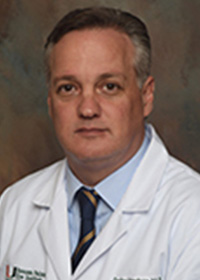
Carlos E. Mendoza, MD, PhD
Associate Professor of Clinical Ophthalmology
Bascom Palmer Eye Institute
University of Miami Miller School of Medicine
Course Co-Directors:

Winston Lee, PhD
Assistant Professor, Department of Ophthalmology
University of Miami Miller School of Medicine

Tamara Juvier, MD, PhD
Clinical Fellow
Bascom Palmer Eye Institute
University of Miami Miller School of Medicine
Registration
You do not need to be registered for Curso to register for this optional course.
If you chose to register for this optional course ONLY, you will NOT have access to the exhibit floor or other social events. Light breakfast and box lunches are included.
Registration Fee
If you are registered for Curso: US$50
Registration fee includes light breakfast and box lunch.
If you are NOT registered for Curso: US$100*
Registration fee includes light breakfast and box lunch.
*NO access to the exhibit floor or other social events
Simultaneous translation (English-Spanish) available
Course Description
Inherited retinal diseases (IRDs) are a group of genetic diseases that can lead to vision loss or complete blindness. These diseases can affect people of all ages and progress at different rates. IRDs are rare and affect approximately 1 in 1380 individuals, with 5.5 million people expected to be affected worldwide. Retinitis Pigmentosa is the most common form of IRDs, while other types include cone or cone-rod degeneration, Leber congenital amaurosis, and inherited macular dystrophies.
Recent developments in the field of IRDs warrant a comprehensive course that integrates basic concepts of clinical, electrophysiological, and molecular diagnosis. The course will cover current treatment options for these conditions, including recent developments in genetic and cellular therapies, and how to conduct clinical trials in this field.
Visual electrophysiology (VE) is a valuable tool for diagnosing retinal and optic nerve diseases, including IRDs. This course will cover VE technology's basic concepts, cellular correlation, and clinical applications. All visual electrophysiology modalities (ERG, VEP, EOG, mfERG, PERG, mfVEP) will be reviewed, followed by case presentations and discussion. Emphasis will be placed on correctly interpreting and indicating the different studies. The course also includes a hands-on session, providing participants with practical exposure to performing visual electrophysiology studies, thereby enhancing their skills and knowledge in this area.