Contact Us
Research
The (AI)² Lab is involved in several ongoing research projects aimed at improving the diagnosis, treatment, and prevention of glaucoma and other eye diseases. The projects span multiple domains and disciplines, including big data, AI, bioinformatics, imaging, visual performance, and clinical trials. Below are some highlights of the current research projects.
-
Big Data and Artificial Intelligence
The (AI)² Lab leverages large-scale, real-world clinical data to fundamentally advance how glaucoma and other eye diseases are detected, monitored, and managed. By integrating longitudinal structural and functional measurements with imaging, quality-of-life assessments, and molecular data, the lab moves beyond population-based averages toward individualized prediction of disease trajectories. This work addresses key limitations of current clinical strategies by enabling earlier identification of risk, more precise assessment of progression, and personalized treatment decisions.
A central focus of the lab is the development of novel artificial intelligence and machine learning algorithms that integrate multimodal clinical information, including electronic health records, advanced imaging, functional testing, and genetic and epigenetic biomarkers, to improve diagnosis and prognosis. The (AI)² Lab emphasizes clinically deployable, interpretable, and scalable models designed to perform robustly in real-world settings.
A distinctive contribution of the lab is the development of machine-to-machine (M2M) learning frameworks, in which AI models learn to predict clinically meaningful measurements directly from other imaging modalities. Using this approach, the lab has pioneered methods that infer structural optic nerve and retinal nerve fiber layer measurements from fundus photographs, enabling scalable assessment of glaucoma-related damage in settings where advanced imaging may not be available. This paradigm extends the reach of high-fidelity diagnostics, supports large-scale screening and population studies, and illustrates how AI can translate information across modalities to enhance clinical care.
Current projects include AI-based systems for glaucoma screening and referral using fundus photographs; deep learning methods applied to optical coherence tomography and other imaging platforms to identify clinically relevant biomarkers; predictive models of glaucoma progression derived from large longitudinal datasets; and continued expansion of M2M frameworks to support earlier detection, progression monitoring, and clinical trial applications. Together, these efforts aim to deliver practical AI tools that improve decision-making, expand access to care, and accelerate translation from data to impact.
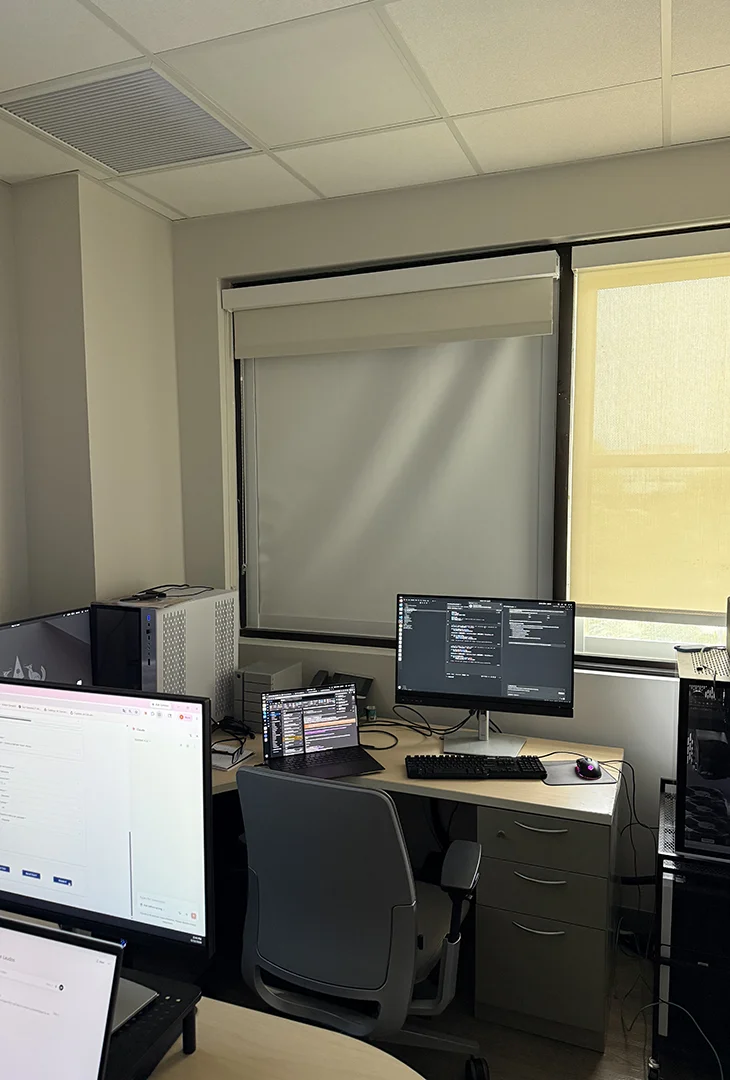
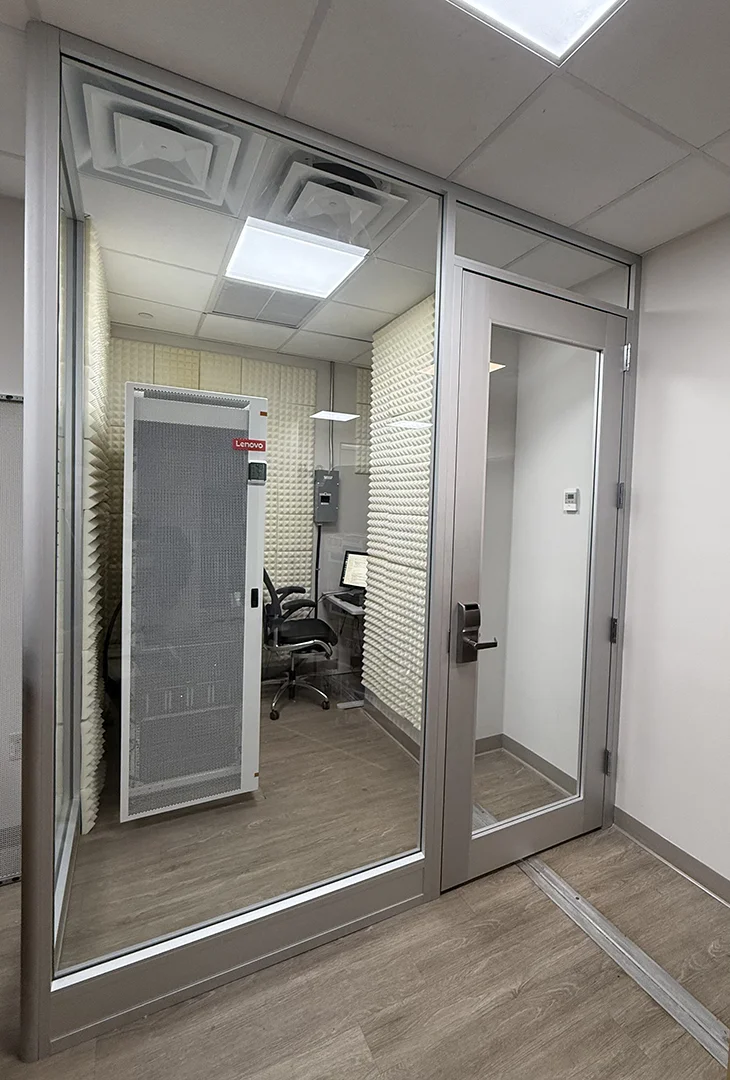
The Lab leverages supercomputing and large-scale clinical data to advance AI-driven glaucoma research.
-
Bioinformatics
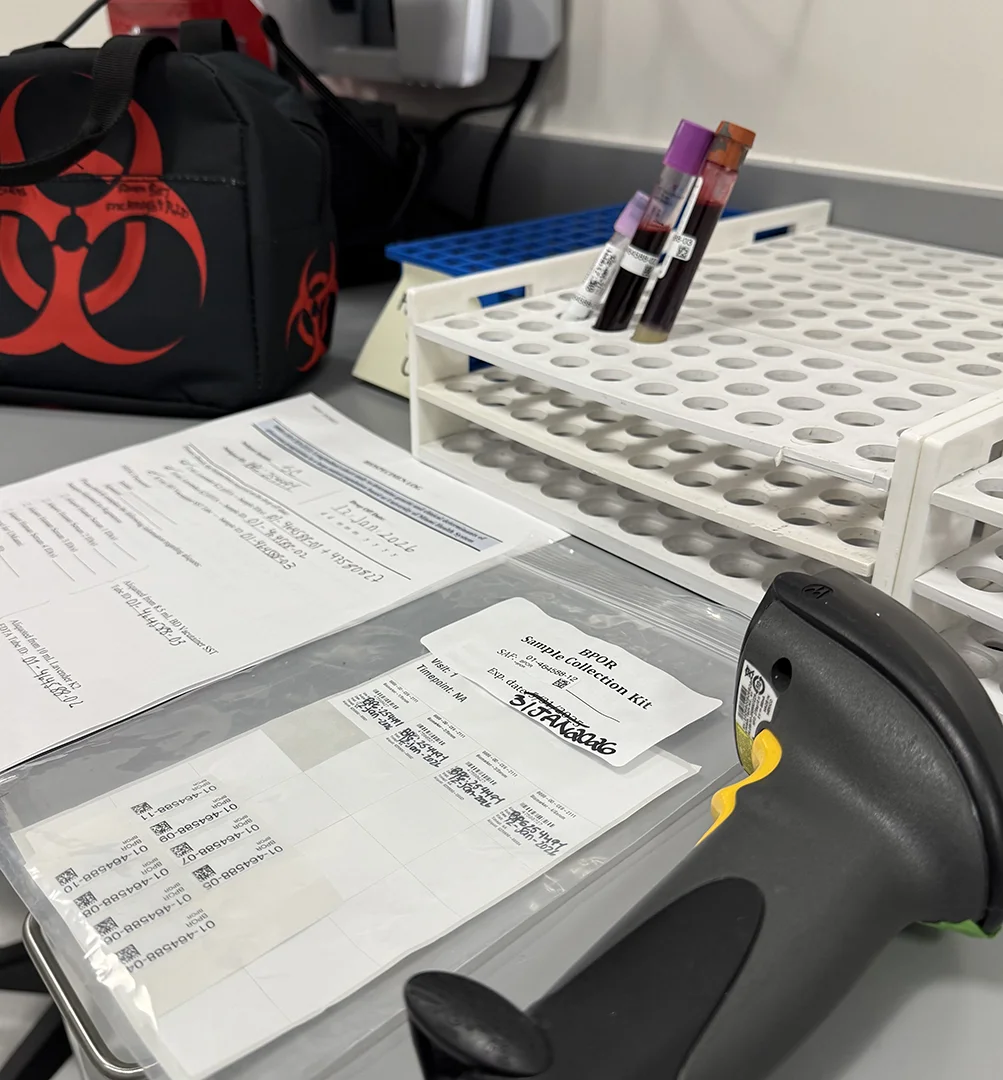
Blood sample collection and processing from glaucoma participants for biobank and bioinformatics analyses. The (AI)² Lab has established a large, deeply phenotyped biobank comprising thousands of individuals with glaucoma and other eye diseases, as well as healthy controls, with longitudinal clinical, imaging, and functional data. Using advanced bioinformatics, the lab investigates biological factors associated with glaucoma risk, disease severity, and rates of progression across diverse populations.
A distinguishing focus of the lab’s work is the application of epigenetic approaches to understand biological aging and susceptibility to neurodegeneration in glaucoma. The (AI)² Lab was the first to demonstrate that acceleration of epigenetic aging is associated with faster glaucoma progression, highlighting biological aging as a clinically relevant biomarker beyond chronological age. Current projects integrate genome-wide association studies, polygenic risk modeling, and epigenetic profiling to characterize how genetic predisposition, epigenetic modifications, and clinical and environmental factors interact to influence disease progression. These signals are incorporated into AI-based predictive models to improve risk stratification, enable earlier identification of high-risk patients, and support the development of more informative and efficient clinical trial endpoints.
-
Endpoints for Clinical Trials
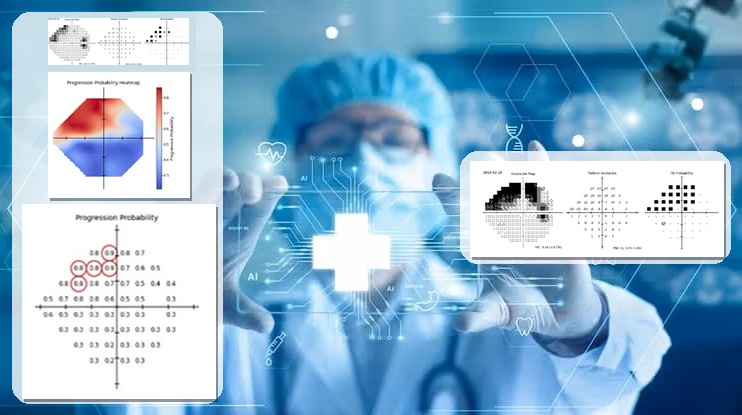
By developing models that predict location-level progression risk from baseline visual fields, high-risk points can be identified. This enables more sensitive clinical-trial endpoints to measure therapeutic efficacy. A central goal of the (AI)² Lab is to redefine how therapeutic efficacy is measured in glaucoma and other neurodegenerative eye diseases. Traditional clinical trial endpoints often fail to capture early disease change, individual susceptibility, or treatment effects relevant to emerging therapies, particularly neuroprotective strategies. The lab addresses these limitations by developing and validating next-generation structural, functional, and composite endpoints that better reflect the biological and clinical trajectories of disease.
By integrating advanced imaging, longitudinal functional data, and patient-specific variability with state-of-the-art statistical methods and machine learning, the (AI)² Lab is creating more sensitive and informative outcome measures for use in clinical trials. These efforts include personalized and risk-stratified endpoints, data-driven progression metrics, and predictive models that identify patients at highest risk of rapid deterioration. Together, this work aims to enable smaller, faster, and more efficient clinical trials, accelerate evaluation of neuroprotective and disease-modifying therapies, and ultimately shorten the path from discovery to effective treatments for patients.
-
Optic Nerve and Retina Imaging
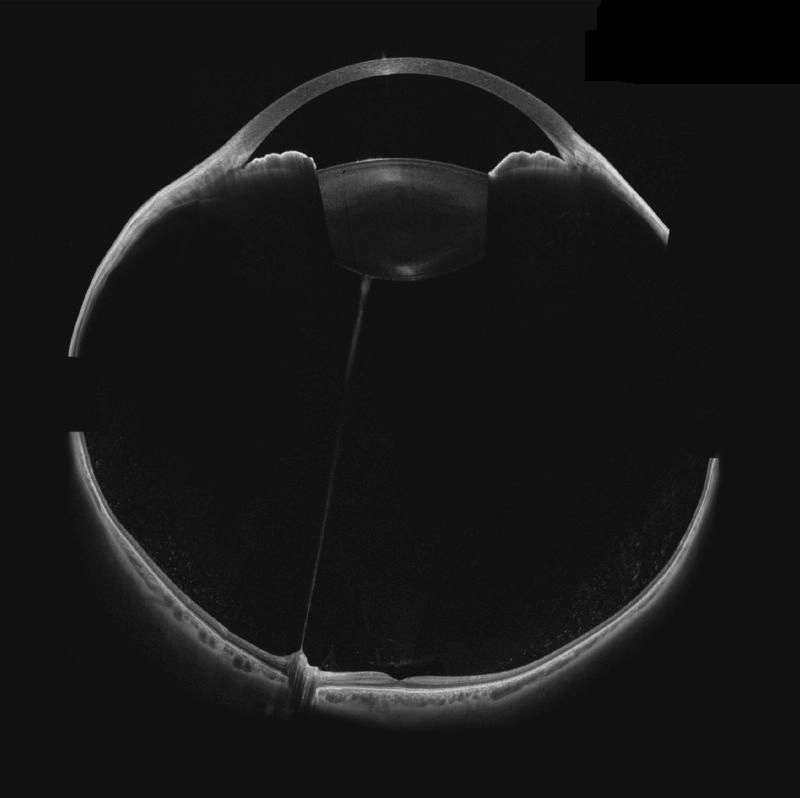
Anterior and posterior whole eye OCT image. The (AI)² Lab advances the state of the art in optic nerve and retinal imaging to enable precise characterization of neurodegenerative, microvascular, and metabolic alterations in glaucoma and other eye diseases. The lab focuses on developing and applying high-resolution, quantitative approaches to capture structural, vascular, and bioenergetic changes across disease stages.
A defining strength of the lab is its use of next-generation imaging technologies that extend well beyond conventional imaging. These include visible-light optical coherence tomography for ultra-high-resolution assessment of retinal structure and oxygenation, swept-source and ultra–high-speed OCT platforms for deep and wide-field visualization of the optic nerve and posterior pole, adaptive optics imaging for cellular- and microstructural-level characterization, and multimodal systems that integrate structural, vascular, and metabolic information. Together, these technologies enable interrogation of tissue-level changes with unprecedented spatial and temporal resolution.
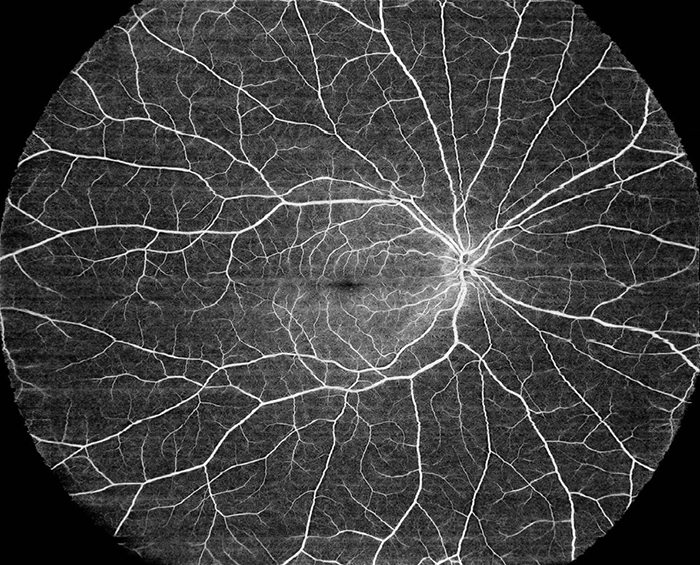
En face OCT angiography. Complementing in vivo imaging, the lab incorporates advanced metabolic and mitochondrial phenotyping approaches to study bioenergetic vulnerability associated with neurodegeneration. These efforts include quantitative assessment of mitochondrial respiration and metabolic capacity in ocular and patient-derived samples, providing functional context for imaging-based markers of tissue stress and degeneration. By integrating advanced imaging, metabolic profiling, and AI-based analytics, the (AI)² Lab aims to develop sensitive, biologically grounded biomarkers that support early detection, progression monitoring, neuroprotective strategies, and next-generation clinical trial endpoints in glaucoma and related eye diseases.
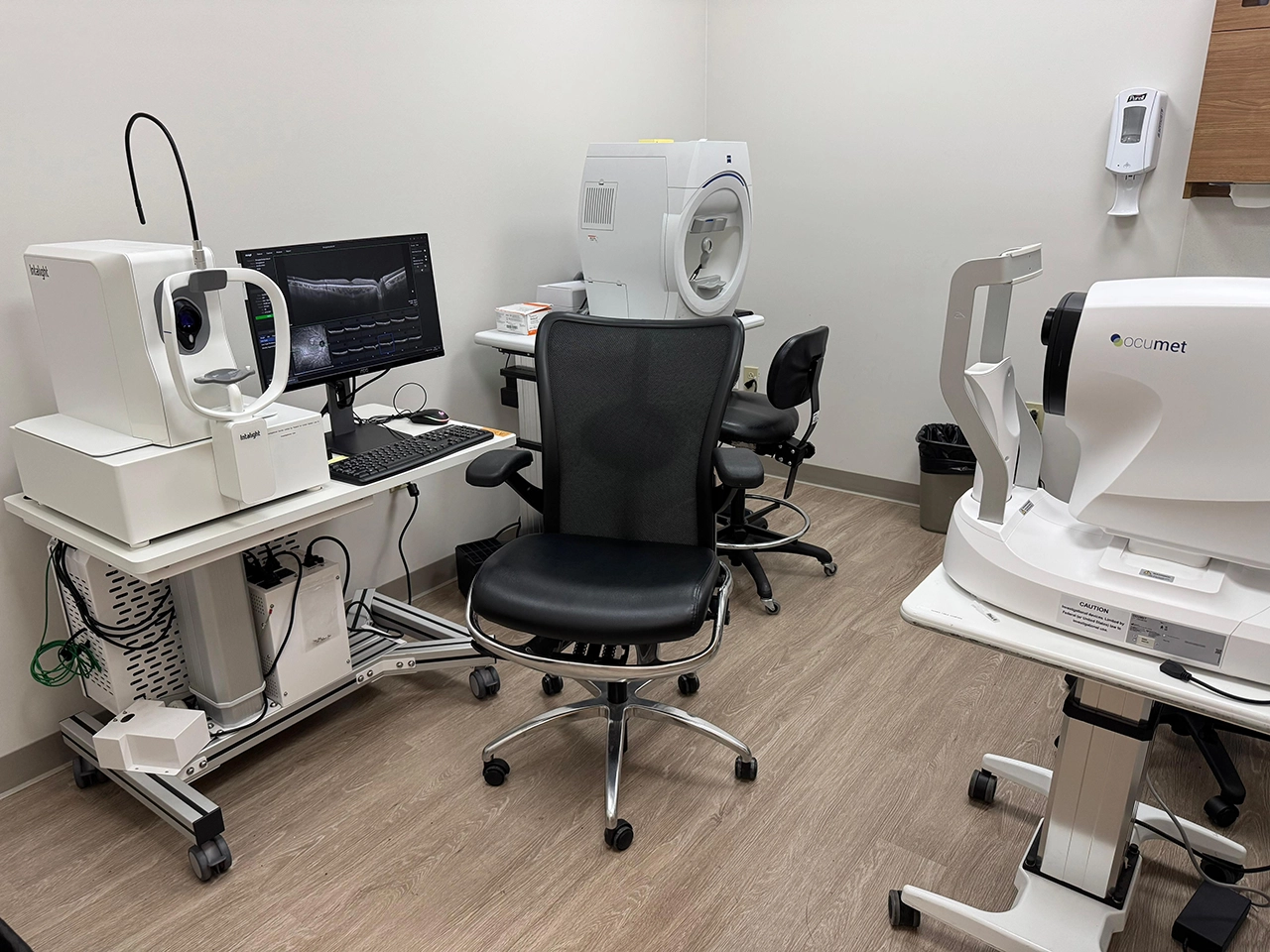
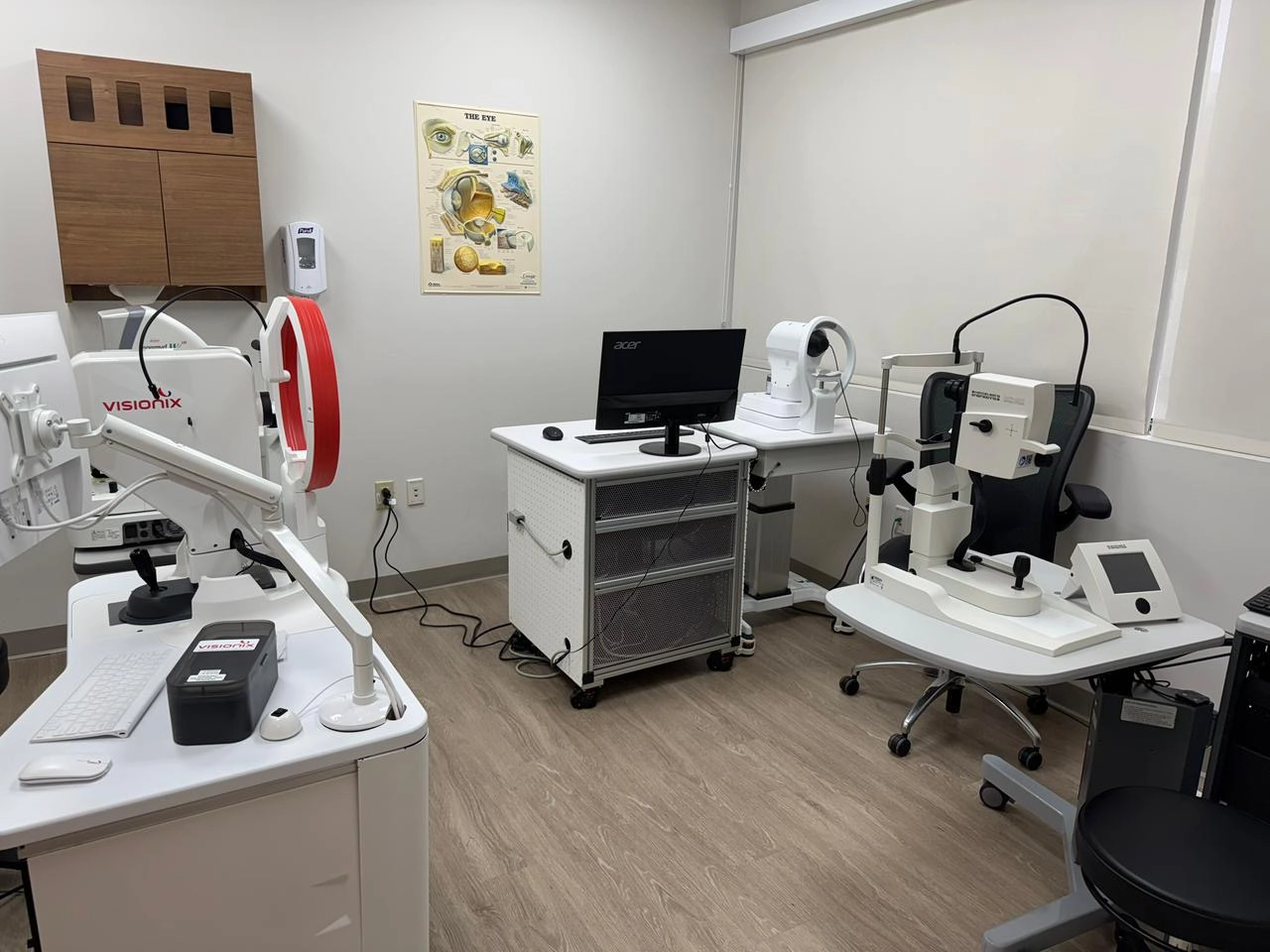
Multiple state-of-the-art devices are used for the Lab’s research projects in advanced imaging.
-
Virtual Reality and Visual Performance
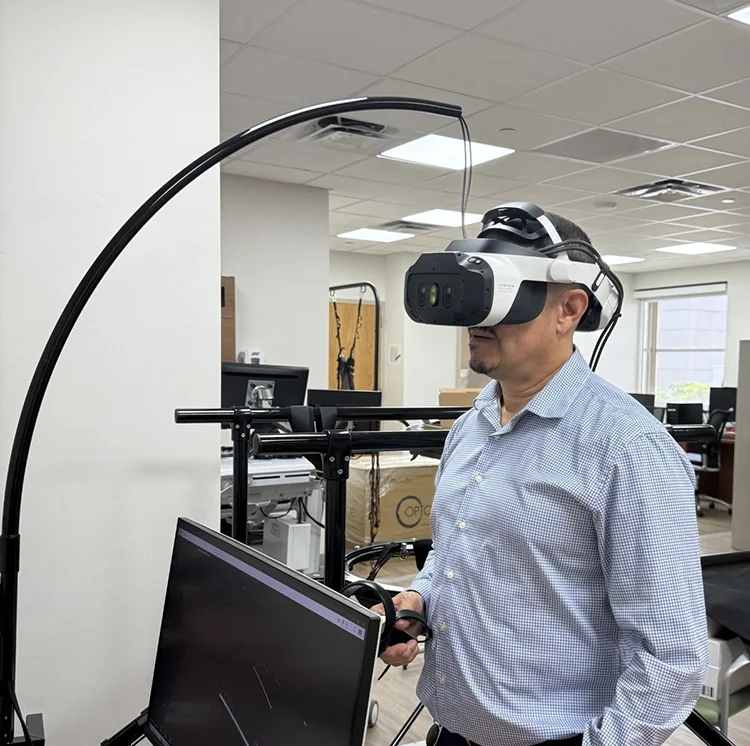
Anterior and posterior whole eye OCT image. The (AI)² Lab pioneers the use of immersive technologies to understand how glaucoma and other eye diseases affect real-world visual performance beyond traditional clinical testing. By leveraging advanced virtual reality (VR) environments, wearable sensors, and brain–computer interface (BCI) technologies, the lab develops objective, ecologically valid methods to assess vision-dependent tasks such as driving, balance, navigation, and visual search.
A signature innovation from the lab is the development of a wearable BCI platform that integrates VR-based visual testing with wireless neurophysiological recordings, enabling simultaneous assessment of visual function and neural responses. In parallel, the lab has designed immersive VR paradigms combined with motion tracking and postural sensors to quantify balance, mobility, and spatial orientation, providing novel insights into how visual impairment alters sensorimotor control.
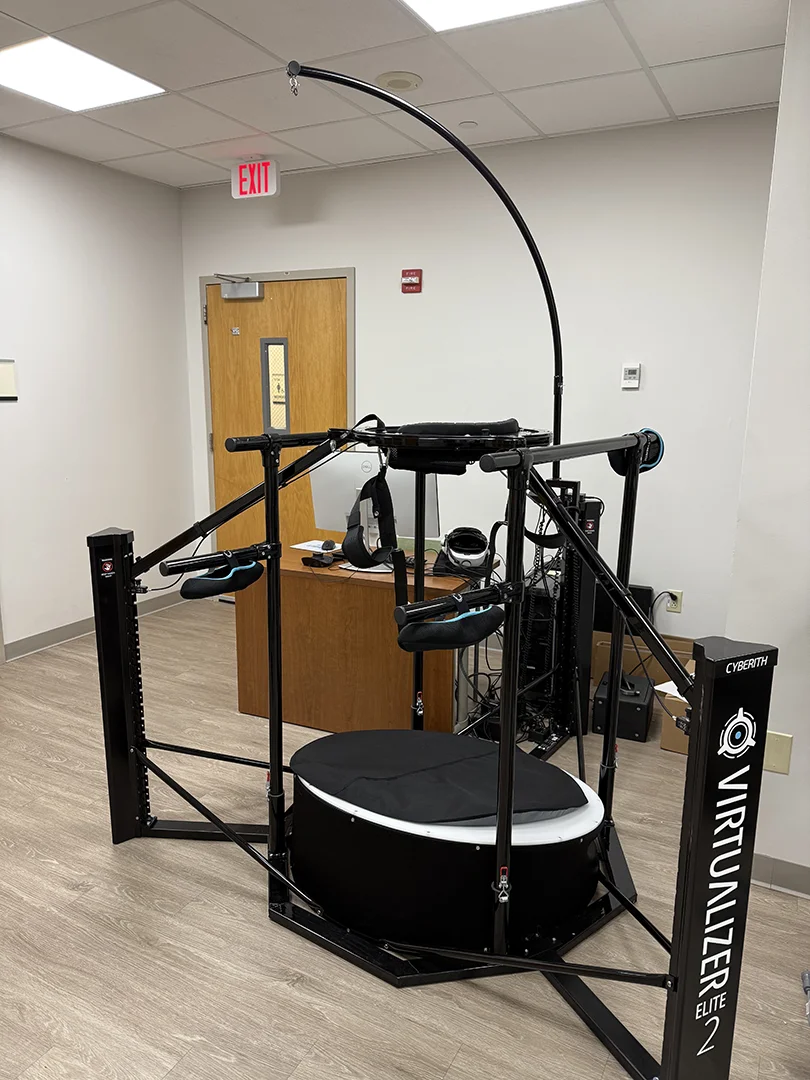
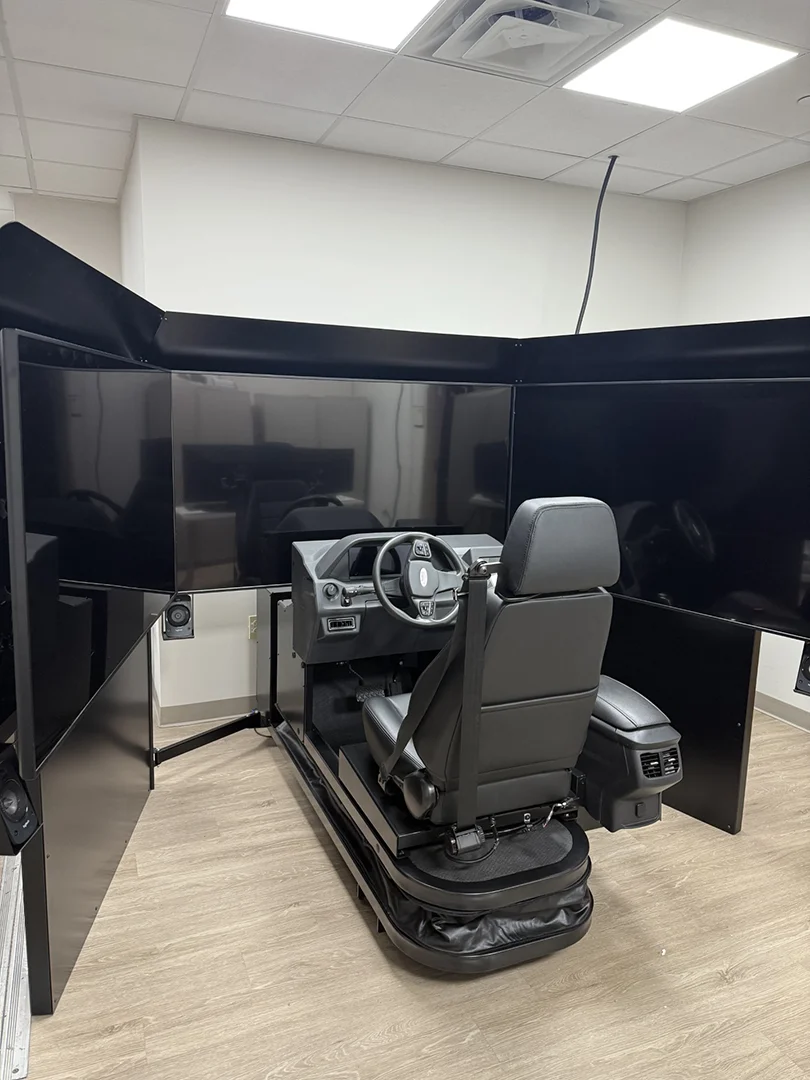
Current efforts employ state-of-the-art VR systems to study complex visual behaviors, including visual crowding, visual search, and divided attention, under controlled yet realistic conditions. These approaches are complemented by the use of an omnidirectional treadmill coupled with head-mounted displays to study navigation and mobility, as well as a high-fidelity driving simulator to evaluate driving performance, safety, and risk in glaucoma. Together, these technologies enable the development of sensitive performance-based endpoints and support the design of interventions and compensatory strategies aimed at preserving independence and safety in individuals with visual impairment.
Omni-directional treadmill for immersive virtual reality experiments.
High-fidelity driving simulator for evaluating patient performance.