Skip to Main Content
  • Sylvester Comprehensive Cancer Center |
  • Bascom Palmer Eye Institute

Minimally Invasive Heart Surgery

University of Miami Health
  • Appointments
  • Pay a Bill
  • Refer a Patient
  • International Patients
  • Donate Now
  • Search
  • Patient Login
  • Find a Doctor
  • Treatments Page 1
    Featured Treatments For
    • Allergy and Immunology
    • Arthritis (Rheumatology)
    • Bariatrics (Weight Loss Surgery)
    • Cancer (Oncology)
    • Cardiac and Vascular
    • Concierge Medicine
    • Dentistry
    • Dermatology
    • Diabetes
    • Ear, Nose, and Throat (ENT)
    • Emergency Care
    • Endocrinology, Diabetes and Metabolism
    • Executive Physicals
    • Eye Care (Ophthalmology)
    • Fertility Center
    • Gastrointestinal
    • Genetics
    • Geriatrics
    • Hepatology
    • High Blood Pressure (Hypertension)
    • Hyperbaric Oxygen Therapy
    • Infectious Diseases
    • Internal Medicine
    • Interventional Radiology
    • Lymphedema
    • Nephrology
    • Neurology
    • Neurosurgery
    • Obstetrics and Gynecology
    • Orthopaedics
    • Pain Management and Palliative Care
    • Pediatrics
    • Physical and Occupational Therapy
    • Physical Medicine and Rehabilitation
    • Plastic Surgery
    • Primary Care
    • Psychiatry
    • Pulmonary Medicine
    • Radiology
    • Sleep Medicine
    • Sports Medicine Institute
    • Surgery
    • Transplant
    • UHealth Comprehensive Women’s Health Alliance
    • UHealth Premier
    • Urology
    View all Treatments
    Browse A-Z A B C D E F G H I J K L M N O P Q R S T U V W X Y Z
    Featured Treatments For
    • Allergy and Immunology
    • Arthritis (Rheumatology)
    • Bariatrics (Weight Loss Surgery)
    • Cancer (Oncology)
    • Cardiac and Vascular
    • Concierge Medicine
    • Dentistry
    • Dermatology
    • Diabetes
    • Ear, Nose, and Throat (ENT)
    • Emergency Care
    • Endocrinology, Diabetes and Metabolism
    • Executive Physicals
    • Eye Care (Ophthalmology)
    • Fertility Center
    • Gastrointestinal
    • Genetics
    • Geriatrics
    • Hepatology
    • High Blood Pressure (Hypertension)
    • Hyperbaric Oxygen Therapy
    • Infectious Diseases
    • Internal Medicine
    • Interventional Radiology
    • Lymphedema
    • Nephrology
    • Neurology
    • Neurosurgery
    • Obstetrics and Gynecology
    • Orthopaedics
    • Pain Management and Palliative Care
    • Pediatrics
    • Physical and Occupational Therapy
    • Physical Medicine and Rehabilitation
    • Plastic Surgery
    • Primary Care
    • Psychiatry
    • Pulmonary Medicine
    • Radiology
    • Sleep Medicine
    • Sports Medicine Institute
    • Surgery
    • Transplant
    • UHealth Comprehensive Women’s Health Alliance
    • UHealth Premier
    • Urology
    View all Treatments
  • Locations
  • Patients & Families
    Quick links
    • Appointments
    • Pay a Bill
    • Make a Gift
    • Insurance Plans Accepted
    • MyUHealthChart
    • Advance Directives
    For Patients & Families
    • Your First Visit
    • Medical Records
    • Frequently Asked Questions
    • Patients & Families
    • Public Transportation
    • UHealth Clinic at Walgreens
    • Classes & Events
    • Support Groups
    • Interpreter Services
    • International Patients
    • UMiami Health Talks
    About Uhealth
    • Why Choose UHealth
    • Benefits of an Academic Medical Center
    • Mission & Values
    • Leadership
    • Community Health Improvement
    • Nursing at UHealth
    • Health News
    • Miller School of Medicine
    • University of Miami
    • Careers
    • Volunteers
    • Contact Us
    Clinical Trials
    • Find a Clinical Trial
    • Understanding Clinical Trials
    • Clinical Trials FAQ's
    Traveling from overseas?
    We can help plan your visit. Learn More
    Quick links
    • Appointments
    • Pay a Bill
    • Make a Gift
    • Insurance Plans Accepted
    • MyUHealthChart
    • Advance Directives
    For Patients & Families
    • Your First Visit
    • Medical Records
    • Frequently Asked Questions
    • Patients & Families
    • Public Transportation
    • UHealth Clinic at Walgreens
    • Classes & Events
    • Support Groups
    • Interpreter Services
    • International Patients
    • UMiami Health Talks
    About Uhealth
    • Why Choose UHealth
    • Benefits of an Academic Medical Center
    • Mission & Values
    • Leadership
    • Community Health Improvement
    • Nursing at UHealth
    • Health News
    • Miller School of Medicine
    • University of Miami
    • Careers
    • Volunteers
    • Contact Us
    Clinical Trials
    • Find a Clinical Trial
    • Understanding Clinical Trials
    • Clinical Trials FAQ's
Patient Login

Minimally Invasive Heart Surgery

Doctors Doctors Locations Locations Clinical Trials Clinical Trials

Appointments

Call or click for an in-person
or virtual visit.

Call us at
305-689-2784

Or

Insurance Plans

View a list of insurance plans accepted at the University of Miami Health System.

Minimally invasive heart surgery uses small incisions and advanced technology to treat cardiac conditions with less trauma than traditional open heart procedures. At UHealth – University of Miami Health System, our nationally recognized cardiac surgeons specialize in these innovative techniques to repair or replace heart valves, bypass blocked arteries, treat aortic aneurysms and dissections, and correct select congenital defects.

Unlike open heart surgery, which requires a large sternotomy (breastbone incision), minimally invasive approaches use small cuts between the ribs with specialized instruments, high definition imaging, and often robotic assistance. This can mean shorter recovery times, reduced pain, lower risk of complications, and faster return to daily life.

As an academic medical center, UHealth combines surgical excellence with research and innovation. Our program has earned national honors like the Mitral Valve Repair Reference Center designation from the American Heart Association and The Mitral Foundation, plus top performance ratings from the Society of Thoracic Surgeons (STS).


Benefits of Minimally Invasive Heart Surgery at UHealth

  • Smaller incisions, less scarring – Intercostal approaches avoid splitting the breastbone.
  • Less pain & blood loss – Reduced tissue disruption typically means milder pain and fewer transfusions.
  • Lower infection risk – Limited incision length and exposure reduce wound complications.
  • Shorter hospital stay – Many patients go home in 4–7 days, often sooner than with sternotomy.
  • Faster return to life – Many resume light work in 2–4 weeks and full activity in 6–12 weeks.

Who Can Benefit?

Not every patient is eligible, but many are. Good candidates may include those with:

  • Mitral or aortic valve disease (stenosis or regurgitation)
  • Isolated coronary artery disease (limited bypasses)
  • Ascending aortic aneurysm or dissection, in select cases
  • Adult congenital defects (e.g., atrial septal defects)
  • Reoperative cardiac surgery candidates, depending on anatomy and scarring

Some patients—such as those with extensive coronary disease, severe calcification, or anatomic limitations—may be better served by open surgery. Your UHealth cardiovascular team reviews imaging, overall health, and cardiac function to determine the safest, most effective approach.

Types of Minimally Invasive Heart Surgery

  • Valve surgery
    • Mitral valve repair or replacement
    • Aortic valve repair or replacement
    • Tricuspid valve procedures
  • Aortic surgery
    • Ascending aortic aneurysm or dissection repair via smaller chest incisions
    • Valve-sparing aortic root replacement (select patients)
  • Coronary artery bypass grafting (CABG)
    • Minimally invasive bypass or Hybrid Coronary Revascularization (HCR) combining bypass with stenting
  • Adult congenital surgery
    • Closure of ASDs, PFOs, and select other defects
  • Reoperative cardiac surgery
    • Redo procedures using limited-access techniques to minimize risk
  • Mechanical circulatory support & LV remodeling
    • Performed via small incisions when appropriate to reduce recovery burden

Robotic-Assisted Surgery for Enhanced Precision

When appropriate, our surgeons use robotic assistance to provide high-definition 3D visualization and wristed instruments for precise movements through tiny access points. This can further reduce tissue disruption and may improve recovery in selected procedures.

How to Prepare for Surgery

Your care team will give detailed instructions. Preparation often includes:

  • Diagnostic imaging: echocardiogram, CT, or MRI to map your heart and vessels
  • Lab work & pre-op clearance: blood tests and consults to ensure readiness
  • Medication adjustments: guidance on pausing blood thinners or other medicines
  • Lifestyle recommendations: stop smoking, optimize blood pressure, and strengthen nutrition

You'll also meet with anesthesia and cardiac rehabilitation specialists to discuss the plan and recovery expectations.

What to Expect on Surgery Day

  • Surgery under general anesthesia
  • One or more small incisions (≈2–4 inches) between the ribs
  • Specialized instruments and cameras (sometimes robot-assisted) to reach the heart
  • Depending on the procedure, the heart may be supported by a heart-lung bypass machine
  • Incisions closed once repair or replacement is complete
  • Typical duration: 2–6 hours, depending on complexity

Recovery in the Hospital

  • ICU (1–2 days): close monitoring of heart rhythm, oxygen levels, and pain control
  • Hospital stay: usually 4–7 days, shorter than with open sternotomy
  • Early mobility: most patients begin walking within 24–48 hours

Recovery After Discharge

  • First few weeks: expect fatigue and soreness; increase walking gradually; avoid heavy lifting
  • 2–4 weeks: many resume light work and daily tasks
  • 6–12 weeks: most return to full function (timing varies by procedure and patient)
  • Cardiac rehabilitation: structured exercise and education to regain strength and protect long-term heart health

Recovery Timeline (Typical)

  • Week 1: hospital recovery (ICU → step-down), early ambulation, pain and BP control
  • Weeks 2–4: home recovery; light activities/work as cleared; no heavy lifting
  • Weeks 6–12: progressive activity; many return to full function; ongoing cardiac rehab as advised.

This timeline can vary depending on the specific procedure and individual patient factors. Every patient is unique, and some may experience faster or slower healing based on their health, age, and other variables.


Long-Term Outcomes

When performed by experienced teams, minimally invasive heart surgery achieves outcomes comparable to open surgery for properly selected patients, with potential advantages in recovery and wound complications. Many patients experience:

  • Faster return to work and physical activity
  • Fewer wound complications
  • Durable valve results (for repairs/replacements)
  • High satisfaction thanks to less pain and improved cosmetic results

Lifelong cardiology follow-up helps monitor heart function, valve health, and any implanted devices.


Risks of Minimally Invasive Heart Surgery

All heart surgery carries risks, including:

  • Bleeding or infection
  • Arrhythmias (irregular heartbeats)
  • Stroke
  • Conversion to open surgery when necessary for safety

At UHealth, outcomes for minimally invasive procedures are excellent, with complication rates comparable to — or lower than — national averages.

Frequently Asked Questions

What's the difference between minimally invasive and open-heart surgery? Page 1

Open-heart surgery uses a full sternotomy (splitting the breastbone). Minimally invasive surgery uses smaller side incisions, which can mean faster recovery and less trauma.

Is minimally invasive heart surgery as effective? Page 1

Yes. In properly selected patients, outcomes are comparable to open surgery, with added recovery benefits.

Can all valve surgeries be done minimally invasively? Page 1

Many mitral and aortic valve procedures can be performed this way, but candidacy depends on your condition, anatomy, and risk profile.

How long before I can return to normal life? Page 1

Many patients resume light activities in 2–4 weeks and full activity within 6–12 weeks, depending on procedure and progress.

When can I drive after minimally invasive surgery? Page 1

Your surgeon will personalize guidance, but many patients can resume driving when off narcotic pain medications and able to turn safely — often within 2–4 weeks.

Does insurance cover minimally invasive heart surgery? Page 1

Many plans cover these procedures when medically necessary.

What happens if minimally invasive surgery can't be completed? Page 1

In rare cases, surgeons may convert to open surgery for safety.

Our Location

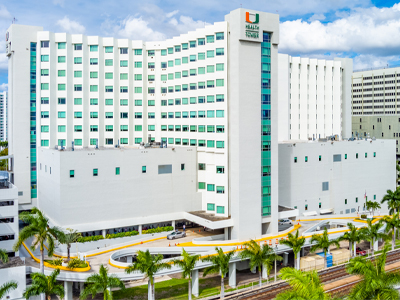
UHealth Tower Location

Cardiac Surgery at UHealth Tower
1400 Northwest 12th Avenue, Suite 1
Miami, FL 33136
Get Directions


Our Experts


Why Choose UHealth?

National Recognition. Mitral Valve Repair Reference Center designation; top STS performance ratings.

Academic Excellence. Part of the University of Miami Miller School of Medicine with active research and clinical trials.

Multidisciplinary Care. Surgeons, cardiologists, anesthesiologists, imaging experts, and rehab specialists work as one team.

Advanced Technology. Robotic platforms, high-resolution imaging, and hybrid operating suites for precision and safety.

Comprehensive Options. From minimally invasive to hybrid to traditional open surgery—we tailor the approach to you.

Patient-Centered Recovery. Accelerated recovery protocols, personalized rehab, and ongoing follow-up.

Questions? We're here to help.

Our appointment specialists are ready to help you find what you need. Contact us today.

Call 305-689-2784 Request an Appointment

logo
alt="Twitter Logo">
USNWR Best Hospitals 2025-2026 USNWR Best Regional Hospitals 2025-2026
Quick links
  • Appointments
  • Find a Doctor
  • Pay a Bill
  • Insurance Plans Accepted
  • MyUHealthChart
  • Make a Gift
Patient & Families
  • Frequently Asked Questions
  • Medical Records
  • Interpreter Services
  • Clinical Trials
  • International Patients
  • UHealth Clinic at Walgreens
  • Support Groups
  • Price Transparency
  • Florida Health Finder
Healthcare Professionals
  • Refer a Patient
  • Physician & Executive Recruitment
  • Advanced Practice Providers
  • Immunology & Histocompatibility Laboratory
  • Nursing
  • Sleep Center
  • Sports Medicine Institute
  • Pathology Reference Services
About Uhealth
  • Why Choose UHealth
  • Benefits of an Academic Medical Center
  • Mission & Values
  • Leadership
  • Community Health Improvement
  • For Media
  • Miller School of Medicine
  • University of Miami
  • Careers
  • Volunteers
  • Supply Chain
  • Contact Us

University of Miami Centennial Logo

Medical Disclaimer | Terms of Use | Privacy Statement | HIPAA Notice of Privacy Practices | Non-Discrimination Policy | No Surprises Billing Rights
© 2025 University of Miami Health System. All rights reserved.