
An abdominal aortic aneurysm (AAA) is a progressive weakening of the aortic wall, usually occurring just below the kidney arteries. (If it's in the chest, it's a thoracic aortic aneurysm)
While many AAAs cause no symptoms until they become large, fast-growing, or unstable, larger aneurysms can tear or rupture, which is a life-threatening medical emergency.
When to Seek Immediate Help
If you experience sudden, severe pain in your abdomen, side, or back, especially if accompanied by dizziness or fainting, call 911 immediately. This could indicate an aneurysm rupture.
Less acute symptoms that warrant a specialist evaluation include:
- A persistent pulsing or throbbing sensation near your navel.
- Deep, steady pain in your abdomen, side, or back.
Advanced AAA Repair Techniques at UHealth
UHealth – University of Miami Health System is committed to offering precision repairs that minimize trauma and speed recovery whenever medically appropriate. Our expert surgical team offers the full spectrum of abdominal aortic aneurysm repair options:
Minimally Invasive Endovascular Aneurysm Repair (EVAR)
- How it works: Surgeons access the aorta through small incisions in the groin and guide a stent-graft inside the vessel. This graft reinforces the weakened segment and redirects blood flow, relieving pressure on the aneurysm wall.
- Benefits: When your anatomy is suitable, EVAR often results in smaller scars, less pain, a shorter hospital stay (typically 1–3 days), and a faster return to daily life.
- Note: EVAR requires scheduled, long-term imaging follow-up to ensure the stent-graft remains stable.
Complex and Hybrid Endovascular Strategies
For patients with challenging anatomy—such as aneurysms close to critical branch vessels supplying the kidneys or intestines—our surgeons employ advanced imaging and planning to ensure a durable repair while preserving essential blood flow. This may include staged or hybrid approaches combining endovascular and open techniques.
Open Surgical Aortic Repair
- How it works: When EVAR is not feasible due to anatomy, urgency, or infection, open surgery is performed through an abdominal incision. The diseased segment is removed and replaced with a durable synthetic graft.
- Benefits: Open repair is the traditional standard, offering excellent long-term durability with less frequent surveillance imaging compared to EVAR.
- Recovery: Recovery takes longer (typically a 5–10 day hospital stay and 6–12+ weeks for full return to activity) but is highly effective.
Is AAA Repair Right for You?
Not every abdominal aortic aneurysm requires immediate surgery. Small, stable AAAs are often best managed with active surveillance and risk factor control. Your UHealth cardiovascular surgeon will determine the best course of action by considering:
| Factor | Description |
|---|---|
| Size & Growth Rate | Repair is more likely as the aneurysm exceeds a certain diameter (typically 5.0–5.5 cm) or is growing rapidly. |
| Symptoms | Pain or tenderness often prompts urgent repair, regardless of size. |
| Overall Health | Your general health, surgical risk, and life expectancy. |
| Aortic Anatomy | The vessel shape and branching, which dictate the feasibility of EVAR vs. open surgery. |
The Power of Surveillance
If you have a small AAA, the most important steps for management are:
- Strict Control: Aggressively managing blood pressure, cholesterol, and diabetes.
- Smoking Cessation: Quitting smoking is the single most important modifiable step to slow aneurysm growth.
- Scheduled Imaging: Regular ultrasound or CT scans to track the aneurysm size and growth.
Lifelong Care and Follow-Up After AAA Repair
At UHealth, our commitment to you extends far beyond the operating room. We provide comprehensive post-operative care and dedicated lifelong follow-up.
Recovery and Return to Activity
| Repair Type | Hospital Stay | Typical Return to Routine Activity | Follow-Up Imaging Frequency |
|---|---|---|---|
| EVAR | 1–3 days | 1–2 weeks | Scheduled ultrasound/CT at defined intervals |
| Open Repair | 5–10 days | 6–12+ weeks | Less frequent long-term surveillance |
Long-Term Management
Because both the aorta and stent-grafts can change over time, lifelong imaging surveillance is non-negotiable. We also partner with you to implement heart-healthy habits—including dietary changes, exercise, and cardiovascular risk factor management—to protect your aorta and optimize your overall cardiovascular health.
Frequently Asked Questions (FAQs) About Abdominal Aortic Aneurysm Treatment
Our Location
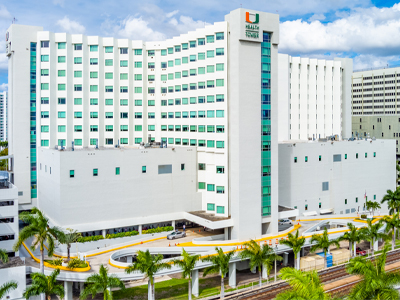
Cardiac Surgery at UHealth Tower
1400 Northwest 12th Avenue, Suite 1
Miami, FL 33136
Get Directions
Our Experts
Why Should I Choose UHealth for My AAA Care?
Multidisciplinary Medicine. Coordinated care by board-certified specialists in vascular, cardiac, and cardiothoracic medicine working together.
Full Range of Options. Access to all necessary treatment modalities: standard EVAR, complex endovascular procedures, and open surgical repair.
Cutting-Edge Facilities. Procedures are performed in hybrid operating rooms with integrated advanced imaging for maximum precision and safety.
Research-Driven Care. Our practice is informed by the latest evidence and innovations in aortic disease management.
Questions? We're here to help.
Our appointment specialists are ready to help you find what you need. Contact us today.