Skip to Main Content
  • Sylvester Comprehensive Cancer Center |
  • Bascom Palmer Eye Institute

Aortic Dissections: Emergency Treatment at UHealth

University of Miami Health
  • Appointments
  • Pay a Bill
  • Refer a Patient
  • International Patients
  • Donate Now
  • Search
  • Patient Login
  • Find a Doctor
  • Treatments Page 1
    Featured Treatments For
    • Allergy and Immunology
    • Arthritis (Rheumatology)
    • Bariatrics (Weight Loss Surgery)
    • Cancer (Oncology)
    • Cardiac and Vascular
    • Concierge Medicine
    • Dentistry
    • Dermatology
    • Diabetes
    • Ear, Nose, and Throat (ENT)
    • Emergency Care
    • Endocrinology, Diabetes and Metabolism
    • Executive Physicals
    • Eye Care (Ophthalmology)
    • Fertility Center
    • Gastrointestinal
    • Genetics
    • Geriatrics
    • Hepatology
    • High Blood Pressure (Hypertension)
    • Hyperbaric Oxygen Therapy
    • Infectious Diseases
    • Internal Medicine
    • Interventional Radiology
    • Lymphedema
    • Nephrology
    • Neurology
    • Neurosurgery
    • Obstetrics and Gynecology
    • Orthopaedics
    • Pain Management and Palliative Care
    • Pediatrics
    • Physical and Occupational Therapy
    • Physical Medicine and Rehabilitation
    • Plastic Surgery
    • Primary Care
    • Psychiatry
    • Pulmonary Medicine
    • Radiology
    • Sleep Medicine
    • Sports Medicine Institute
    • Surgery
    • Transplant
    • UHealth Comprehensive Women’s Health Alliance
    • UHealth Premier
    • Urology
    View all Treatments
    Browse A-Z A B C D E F G H I J K L M N O P Q R S T U V W X Y Z
    Featured Treatments For
    • Allergy and Immunology
    • Arthritis (Rheumatology)
    • Bariatrics (Weight Loss Surgery)
    • Cancer (Oncology)
    • Cardiac and Vascular
    • Concierge Medicine
    • Dentistry
    • Dermatology
    • Diabetes
    • Ear, Nose, and Throat (ENT)
    • Emergency Care
    • Endocrinology, Diabetes and Metabolism
    • Executive Physicals
    • Eye Care (Ophthalmology)
    • Fertility Center
    • Gastrointestinal
    • Genetics
    • Geriatrics
    • Hepatology
    • High Blood Pressure (Hypertension)
    • Hyperbaric Oxygen Therapy
    • Infectious Diseases
    • Internal Medicine
    • Interventional Radiology
    • Lymphedema
    • Nephrology
    • Neurology
    • Neurosurgery
    • Obstetrics and Gynecology
    • Orthopaedics
    • Pain Management and Palliative Care
    • Pediatrics
    • Physical and Occupational Therapy
    • Physical Medicine and Rehabilitation
    • Plastic Surgery
    • Primary Care
    • Psychiatry
    • Pulmonary Medicine
    • Radiology
    • Sleep Medicine
    • Sports Medicine Institute
    • Surgery
    • Transplant
    • UHealth Comprehensive Women’s Health Alliance
    • UHealth Premier
    • Urology
    View all Treatments
  • Locations
  • Patients & Families
    Quick links
    • Appointments
    • Pay a Bill
    • Make a Gift
    • Insurance Plans Accepted
    • MyUHealthChart
    • Advance Directives
    For Patients & Families
    • Your First Visit
    • Medical Records
    • Frequently Asked Questions
    • Patients & Families
    • Public Transportation
    • UHealth Clinic at Walgreens
    • Classes & Events
    • Support Groups
    • Interpreter Services
    • International Patients
    • UMiami Health Talks
    About Uhealth
    • Why Choose UHealth
    • Benefits of an Academic Medical Center
    • Mission & Values
    • Leadership
    • Community Health Improvement
    • Nursing at UHealth
    • Health News
    • Miller School of Medicine
    • University of Miami
    • Careers
    • Volunteers
    • Contact Us
    Clinical Trials
    • Find a Clinical Trial
    • Understanding Clinical Trials
    • Clinical Trials FAQ's
    Traveling from overseas?
    We can help plan your visit. Learn More
    Quick links
    • Appointments
    • Pay a Bill
    • Make a Gift
    • Insurance Plans Accepted
    • MyUHealthChart
    • Advance Directives
    For Patients & Families
    • Your First Visit
    • Medical Records
    • Frequently Asked Questions
    • Patients & Families
    • Public Transportation
    • UHealth Clinic at Walgreens
    • Classes & Events
    • Support Groups
    • Interpreter Services
    • International Patients
    • UMiami Health Talks
    About Uhealth
    • Why Choose UHealth
    • Benefits of an Academic Medical Center
    • Mission & Values
    • Leadership
    • Community Health Improvement
    • Nursing at UHealth
    • Health News
    • Miller School of Medicine
    • University of Miami
    • Careers
    • Volunteers
    • Contact Us
    Clinical Trials
    • Find a Clinical Trial
    • Understanding Clinical Trials
    • Clinical Trials FAQ's
Patient Login

Aortic Dissections: Emergency Treatment at UHealth

Doctors Doctors Locations Locations Clinical Trials Clinical Trials

Appointments

Call or click for an in-person
or virtual visit.

Call us at
305-689-2784

Or

Insurance Plans

View a list of insurance plans accepted at the University of Miami Health System.

An aortic dissection is a life-threatening condition that occurs when the inner layer of the aorta tears, allowing blood to flow between the layers of the artery wall. This creates a false channel that can block blood flow to critical organs or cause the aorta to rupture.

At UHealth – University of Miami Health System, patients with suspected aortic dissection receive immediate, expert care from a multidisciplinary team that includes vascular surgeons, cardiothoracic surgeons, cardiologists, and interventional radiologists. We combine rapid imaging, minimally invasive stent repair, and advanced open surgery to manage both acute and chronic dissections and support long-term recovery.


What Is an Aortic Dissection?

The aorta is the body's largest artery, extending from the heart through the chest and abdomen. It has three layers:

  1. Intima – inner lining
  2. Media – muscular middle layer
  3. Adventitia – outer protective layer

A dissection happens when a tear forms in the intima, and blood forces its way between the layers, separating them.

Types of Aortic Dissection

  • Type A Dissection: Involves the ascending aorta (closest to the heart). This is a surgical emergency requiring immediate intervention.
  • Type B Dissection: Involves the descending aorta (farther from the heart). May be treated with medication, stent placement, or surgery depending on severity and complications.

Causes and Risk Factors of Aortic Dissections

Aortic dissections can happen suddenly, but several factors increase risk:

  • High blood pressure (hypertension): The most common risk factor, present in up to 75% of patients.
  • Aortic aneurysm: A weakened, bulging area of the aorta increases the chance of tearing.
  • Connective tissue disorders: Conditions such as Marfan syndrome, Loeys-Dietz syndrome, or Ehlers-Danlos syndrome weaken the vessel wall.
  • Atherosclerosis: Hardening and narrowing of the arteries over time.
  • Trauma: Blunt injury to the chest, often from a car accident.
  • Family history or genetic predisposition: Inherited aortic disease increases risk at a younger age.
  • Lifestyle factors: Smoking, uncontrolled high cholesterol, and stimulant drug use (such as cocaine) raise risk.

Dissections occur most often in men ages 40–70, but younger adults with genetic conditions can also be affected.

Symptoms of Aortic Dissection

Symptoms usually appear suddenly and may mimic those of a heart attack or stroke. Common warning signs include:

  • Severe, sharp, or tearing pain in the chest or upper back
  • Pain that spreads to the neck, jaw, abdomen, or legs
  • Shortness of breath or difficulty breathing
  • Fainting or weakness
  • Stroke-like symptoms, such as trouble speaking, vision changes, or paralysis
  • Differences in blood pressure between arms
  • Rapid or weak pulse

If you or a loved one experiences these symptoms, call 911 immediately. Early diagnosis and treatment save lives.

How Aortic Dissections Are Diagnosed

Because the condition is often confused with a heart attack, accurate diagnosis is critical. At UHealth, patients suspected of having an aortic dissection undergo rapid testing including:

  • CT angiography (CTA): Fast, highly accurate imaging test that uses dye to highlight blood flow in the aorta.
  • Transesophageal echocardiogram (TEE): An ultrasound probe placed in the esophagus to capture detailed images of the aorta.
  • Magnetic resonance imaging (MRI): Used in stable patients for detailed evaluation of the aortic wall.
  • Electrocardiogram (EKG) and blood tests: Help rule out a heart attack and guide treatment decisions.

The team use these tests to quickly confirm diagnosis and determine whether surgery, stent repair, or medication is the best option.


Treatment Options at UHealth

Treatment depends on the type and severity of the dissection.

Type A Dissection (Ascending Aorta)

  • Requires emergency open-heart surgery.
  • Surgeons replace the damaged portion of the aorta with a synthetic graft.
  • If the aortic valve is affected, repair or replacement may also be necessary.

Type B Dissection (Descending Aorta)

  • May be treated initially with medications to lower blood pressure and heart rate, reducing stress on the aortic wall.
  • If complications develop (such as ongoing pain, organ damage, or risk of rupture), minimally invasive or surgical repair is needed.

Treatment options include:

  • Endovascular stent grafting (TEVAR): A catheter-based procedure where a stent graft is placed inside the aorta to reinforce the wall and redirect blood flow. This can reduce recovery time compared to open surgery.
  • Open surgery: Required for more complex cases where stent grafting is not possible.

Recovery and Long-Term Care

Recovery depends on the severity of the dissection and the type of treatment. After surgery or TEVAR, most patients stay in the hospital for monitoring. Medications to control blood pressure are usually needed for life.

At UHealth, patients receive long-term follow-up that includes:

  • Regular imaging (CT or MRI) to monitor the aorta.
  • Blood pressure management to reduce stress on the vessel wall.
  • Genetic counseling if an inherited condition is suspected.
  • Lifestyle support for smoking cessation, diet, and exercise.

Our Location
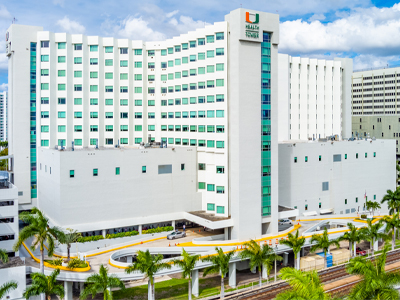
UHealth Tower Location

Cardiac Surgery at UHealth Tower
1400 Northwest 12th Avenue, Suite 1
Miami, FL 33136
Get Directions


Our Experts


Why Choose UHealth for Aortic Dissection Treatment?

Expert, Coordinated Care. Multidisciplinary teams in vascular surgery, cardiothoracic surgery, cardiology, and interventional radiology work together for each patient.

Advanced Treatment Options. From complex open-heart surgery to minimally invasive stent grafting, UHealth offers the full spectrum of care.

24/7 Emergency Response. Our facilities are equipped to evaluate and treat dissections at any hour.

Academic Medical Excellence. As part of the University of Miami Miller School of Medicine, UHealth leads research in aortic disease and offers patients access to the latest innovations.

Comprehensive Follow-Up Care. Lifelong monitoring, genetic testing, and preventive care help protect patients from future complications.


Patients Often Ask

Is an aortic dissection the same as an aneurysm? Page 1

No. An aneurysm is a bulging or enlargement of the aorta. A dissection is a tear in the inner lining of the aorta, although aneurysms can increase the risk of a dissection.

What is the survival rate for aortic dissection? Page 1

Without treatment, the risk of death increases by 1% per hour in the first 48 hours. With prompt diagnosis and advanced treatment, survival rates improve significantly.

Can aortic dissections be prevented? Page 1

You can reduce risk by controlling blood pressure, avoiding smoking, maintaining a healthy weight, exercising regularly, and monitoring for aneurysms or genetic conditions.

What is the difference between Type A and Type B dissections? Page 1

Type A affects the ascending aorta and always requires surgery. Type B affects the descending aorta and may be managed with medication or minimally invasive stent grafting.

What follow-up care is needed after treatment? Page 1

Most patients require lifelong imaging and blood pressure management, plus regular visits with a vascular specialist.

Questions? We're here to help.

Our appointment specialists are ready to help you find what you need. Contact us today.

Call 305-689-2784 Request an Appointment

logo
alt="Twitter Logo">
USNWR Best Hospitals 2025-2026 USNWR Best Regional Hospitals 2025-2026
Quick links
  • Appointments
  • Find a Doctor
  • Pay a Bill
  • Insurance Plans Accepted
  • MyUHealthChart
  • Make a Gift
Patient & Families
  • Frequently Asked Questions
  • Medical Records
  • Interpreter Services
  • Clinical Trials
  • International Patients
  • UHealth Clinic at Walgreens
  • Support Groups
  • Price Transparency
  • Florida Health Finder
Healthcare Professionals
  • Refer a Patient
  • Physician & Executive Recruitment
  • Advanced Practice Providers
  • Immunology & Histocompatibility Laboratory
  • Nursing
  • Sleep Center
  • Sports Medicine Institute
  • Pathology Reference Services
About Uhealth
  • Why Choose UHealth
  • Benefits of an Academic Medical Center
  • Mission & Values
  • Leadership
  • Community Health Improvement
  • For Media
  • Miller School of Medicine
  • University of Miami
  • Careers
  • Volunteers
  • Supply Chain
  • Contact Us

University of Miami Centennial Logo

Medical Disclaimer | Terms of Use | Privacy Statement | HIPAA Notice of Privacy Practices | Non-Discrimination Policy | No Surprises Billing Rights
© 2025 University of Miami Health System. All rights reserved.