
Myotomy and myectomy are surgical procedures used to treat hypertrophic cardiomyopathy (HCM) with left ventricular outflow tract obstruction (LVOTO), a condition caused by thickened heart muscle that blocks blood flow out of the heart. These surgeries can relieve symptoms such as chest pain, shortness of breath, and fatigue while improving heart function and long-term quality of life. At UHealth – University of Miami Health System, our cardiac surgeons specialize in these procedures and deliver personalized, research-backed care to help patients with complex heart muscle disorders.
Our team provides a full spectrum of care, including diagnostic testing, advanced surgical techniques, and cardiac rehabilitation. Every patient benefits from a multidisciplinary treatment plan focused on restoring healthy blood flow and reducing the long-term effects of HCM.
What Are Myotomy and Myectomy Surgeries?
Myotomy and myectomy are related surgical procedures, both involving careful intervention on muscle tissue to restore proper function or relieve blood flow obstruction. Myotomy involves an incision, and myectomy involves the removal of damaged tissue. Your UHealth cardiac surgeon will determine which surgical option may provide the best results for you and your heart condition — optimizing your cardiac function and quality of life.
Myotomy
Myotomy is a surgical procedure that involves making an incision in a muscle to release tension or open a blocked passage. In patients with HCM, a cardiac surgeon may use myotomy to reduce pressure caused by tight or overactive muscle tissue.
Myectomy
With the cutting-edge myectomy procedure, our cardiac surgeons remove a portion of muscle tissue. We typically use this approach when excess or abnormally thickened muscle tissue obstructs normal cardiac function.
Septal myectomy, a specialized type of open-heart surgery, treats HCM with significant left ventricular outflow tract obstruction (LVOTO). With this procedure, UHealth cardiac surgeons precisely remove the small, overgrown segment of heart muscle. This effectively widens the left ventricular outflow tract, relieving the obstruction, restoring normal blood flow, and improving symptoms. Septal myectomy is the gold standard surgical treatment for severe symptomatic obstructive HCM with high success rates.
Symptom Relief
Following successful myotomy or myectomy at UHealth, our patients often experience significant and immediate relief from the following symptoms:
- Persistent shortness of breath (dyspnea): difficulty breathing, especially during exertion, which significantly limits daily activities
- Recurrent chest pain (angina): discomfort or pressure in the chest due to inadequate blood flow to the heart muscle
- Fainting or Lightheadedness (syncope): episodes of dizziness or loss of consciousness, particularly during physical activity, indicating reduced brain blood flow
- Overwhelming fatigue: chronic tiredness that does not improve with rest, severely affecting energy levels
- Disturbing palpitations: sensations of a racing, pounding, or irregular heartbeat
Are You a Good Candidate for a Myotomy or Myectomy?
Your journey toward better heart health begins with UHealth's thorough evaluation.
Our multidisciplinary heart health team will determine if either myotomy or myectomy may improve your cardiac function, relieve your related symptoms, and support your quality of life. We use specialized medical imaging, including state-of-art echocardiograms (both transthoracic and transesophageal), cardiac MRI, and stress testing to evaluate your heart's response under physical exertion, assess the severity of your blood flow obstruction, and illustrate the exact location and extent of the thickened muscle tissue. If you have a family history of HCM, we may also recommend genetic testing to identify specific mutations.
Ideal candidates for myotomy or myectomy generally have good overall health and a heart anatomy that will respond well to surgical incision and muscle reshaping. Patients who benefit from a septal myectomy typically have HCM and significant LVOTO symptoms that have not responded adequately to non-surgical treatments.
Benefits of Myotomy and Myectomy at UHealth
Resolution of Left Ventricular Outflow Tract Obstruction
The core benefit of these heart procedures is the elimination or significant reduction of the blood flow obstruction (LVOTO). This leads to our patients' vastly improved heart function, reduced strain on their heart muscle tissues, and more efficient blood circulation throughout the body.
Enhanced Quality of Life for Years to Come
By alleviating the severe symptoms of cardiomyopathy, the myotomy and myectomy procedures at UHealth empower our patients to resume their normal activities, exercise safely, and engage in a more active lifestyle. These surgical interventions can provide reliable, long-term symptomatic relief and improved cardiac function.
What to Expect with Myotomy and Myectomy at UHealth
Myotomy and myectomy surgeries typically take three to five hours, when you will be under anesthesia. The exact duration of your procedure will be based on your specific anatomy and the complexity of your heart condition.
During surgery, a heart-lung machine will temporarily take over the vital functions of your heart and lungs. This critical step allows our surgeons to operate on a still, bloodless heart with the utmost precision.
Our surgeon will make a precise surgical incision within your heart then cut or remove a very small, calculated amount of the thickened muscle tissue in the ventricular septum, relieving the blood flow obstruction. This immediately improves blood flow from the heart to the rest of the body, addressing the root cause of your symptoms.
Post-Operative Care
Intensive Care
The immediate recovery phase includes monitoring by our team of critical care physicians, nurses, and respiratory therapists, who focus on stabilizing your vital signs, managing fluid balance, and preventing complications.
Ensuring Your Comfort
Our heart health team provides multimodal pain management tailored to your individual needs, to facilitate deep breathing, mobility, and your overall wellbeing.
Recovery After Myotomy or Myectomy
Hospital Stay
As you recover, you will transition from intensive care to a regular hospital room, where you can begin to regain strength and mobility. Most patients stay in the hospital for five to seven days, depending on their recovery progress and the absence of postoperative complications.
First Few Weeks at Home
Upon returning home, the focus shifts to continued healing and gradual reintroduction of light activities. Key priorities include meticulous wound care, adherence to all prescribed medication management schedules, and prioritizing rest. This initial phase of the recovery process is crucial for your body to heal from the muscle surgery.
Dedicated Cardiac Rehabilitation Program
Participation in UHealth's cardiac rehabilitation program is vital for optimizing your recovery, rebuilding strength, and promoting your long-term heart health. Rehab will help you safely increase your physical activity. Our program includes supervised exercise tailored to your individual needs, comprehensive education on heart-healthy living, and psychological support to assist you through your healing journey.
Anticipated Full Recovery
The full recovery process, including return to most normal activities, spans two to three months. Our heart health team will guide you through each stage of your recovery, ensuring your safe and effective progression.
Long-Term Care
Consistent follow-ups with your UHealth team are essential for monitoring the long-term results of the surgery. These visits will include repeat echocardiograms and other diagnostic tests to continually monitor your heart function, assess the success of the surgery, and ensure your sustained good health.
FAQs About Myotomy and Myectomy at UHealth
Take the Next Step Towards a Healthier Heart with UHealth
If you or a loved one are experiencing the symptoms of hypertrophic cardiomyopathy (HCM) with left ventricular outflow tract obstruction (LVOTO), UHealth offers surgical expertise, state-of-the-art facilities, and compassionate care. Our dedicated team is here to provide you with a comprehensive evaluation and determine the best surgical option to your unique needs and improve your quality of life.
Call (305) 689-2784 to schedule an appointment with our cardiac surgery team today.
Our Location
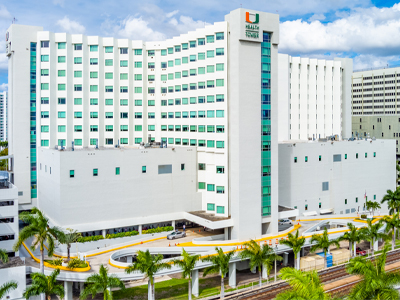
Cardiac Surgery at UHealth Tower
1400 Northwest 12th Avenue, Suite 1
Miami, FL 33136
Get Directions
Our Experts
Why Choose UHealth for Myotomy and Myectomy?
State-of-the-Art Facility. Your heart surgery will be performed at the UHealth Tower in Miami. This facility is equipped with the latest technology and staffed by highly trained medical professionals dedicated to complex cardiac care, ensuring a safe and advanced environment for your cardiac care.
Leaders in Complex Cardiac Care. UHealth's multidisciplinary team approach ensures that every aspect of your care — from your initial diagnosis and treatment planning to the surgical procedure itself and comprehensive long-term recovery — is expertly coordinated by collaborative specialists in cardiac surgery, cardiology, and rehabilitation.
Leading-Edge Technology. UHealth offers advanced imaging as well as traditional open-heart, complex minimally invasive, robotic, and hybrid surgical options. Our medical researchers actively engage in groundbreaking studies and clinical trials to provide the most effective and innovative heart disease treatment options available.
Questions? We're here to help.
Our appointment specialists are ready to help you find what you need. Contact us today.