
Pulmonary thromboendarterectomy (PTE) is the standard surgical treatment for chronic thromboembolic pulmonary hypertension (CTEPH), a condition caused by old blood clots and scar tissue in the lung arteries. This complex cardiothoracic procedure removes these blockages to reduce pulmonary artery pressure and restore normal blood flow between the lungs and heart.
Patients with CTEPH often develop the condition after an unresolved pulmonary embolism. Without treatment, CTEPH can lead to right heart failure and reduced oxygen levels. PTE surgery can relieve symptoms such as shortness of breath, fatigue, and chest discomfort—often leading to dramatic improvements in heart and lung function.
At UHealth – University of Miami Health System, our cardiothoracic surgery team has specialized expertise in performing PTE. This procedure is available at only a few advanced surgical centers in the U.S. due to its complexity. Our multidisciplinary team includes cardiologists, pulmonologists, cardiac and thoracic surgeons, and rehabilitation specialists who guide patients through every stage of diagnosis, surgery, and recovery.
What is Pulmonary Thromboendarterectomy?
PTE is a specialized surgical procedure that:
- removes organized blood clots and scar tissue from the pulmonary (lung) arteries
- aims to restore normal blood flow to the lungs
- can significantly reduce pulmonary hypertension (high blood pressure in the arteries leading from the heart to the lungs)
- can alleviate strain on the right side of the heart
- improve or reverse right heart failure (the inability of the heart's right ventricle to pump enough blood to the lungs, leading to symptoms like swelling and fatigue)
What does PTE treat?
PTE is the only potentially curative treatment for chronic thromboembolic pulmonary hypertension. This is a severe form of pulmonary hypertension. CTEPH is caused by organized blood clots that remain in the pulmonary arteries after an acute pulmonary embolism (a sudden blockage in a lung artery, typically caused by deep vein thrombosis). This blood clot can become scar-like, leading to persistent narrowing or blockage of the arteries.
Benefits of Pulmonary Thromboendarterectomy at UHealth
- Dramatic improvement in lung artery pressure
- Resolution or substantial improvement of right heart failure and related symptoms
- Profound relief of chronic symptoms, such as shortness of breath and fatigue
- Substantial and lasting improvements in hemodynamics (blood flow dynamics)
- Enhanced exercise capacity
- Improved long-term survival rates for certain patients
- Significant improvement in overall quality of life
Is Pulmonary Thromboendarterectomy Right for You?
Candidates for PTE generally have the symptoms of CTEPH, a diagnosis that can be confirmed with our comprehensive evaluation and sophisticated testing and imaging. These symptoms include progressive worsening shortness of breath, chronic fatigue, chest pain, and swelling.
Your journey toward better cardiopulmonary health begins with UHealth's thorough evaluation. Our multidisciplinary team can determine if PTE may improve the pressure in your pulmonary arteries, relieve your related symptoms, and support your quality of life.
What to Expect with Pulmonary Thromboendarterectomy at UHealth
Pre-Operative Preparation
Before your PTE procedure at UHealth, our team conducts a detailed medical assessment to ensure you are ready for this complex surgical procedure. Our specialized imaging includes CT pulmonary angiography and ventilation-perfusion (V/Q) scans to accurately visualize your pulmonary arteries, the extent of the blood clots, and assess blood flow patterns. We use tests to assess the function and structure of the heart, particularly the right ventricle, and evaluate the presence or severity of right heart failure. Right heart catheterization can confirm pulmonary hypertension and precisely measure pressures within your pulmonary arteries.
During the Procedure
PTE is a complex surgery that can last six to 10 hours. Our cardiac surgeons use cardiopulmonary bypass (heart-lung machine), which temporarily takes over the function of your heart and lungs during surgery, creating a motionless surgical field essential for precise and safe blood clot removal. Our surgeons then access your pulmonary arteries to perform an endarterectomy (surgical removal) of the organized, scar-like thromboembolic material that's causing blockages and pulmonary hypertension.
This specialized procedure involves periods of deep hypothermia and temporary circulatory arrest to allow for the complete and precise removal of blood clots from distant pulmonary vessels. During the PTE procedure, you may be placed in deep hypothermic circulatory arrest, meaning your body temperature is lowered significantly and your circulation is temporarily stopped, which allows our surgeons to skillfully operate in a bloodless field.
Post-Operative Care
Intensive Care
The immediate recovery phase includes monitoring by our team of critical care physicians, nurses, and respiratory therapists, who focus on stabilizing your vital signs, oxygen saturation, and preventing complications. Anticoagulation therapy is typically initiated to prevent future blood clot formation.
Ensuring Your Comfort
Our team provides multimodal pain management tailored to your individual needs, to facilitate deep breathing, mobility, and your overall wellbeing.
Hospital Stay
Once you transfer from critical care to our hospital, your stay can last seven to 14 days, depending on your progress and the need for close monitoring of your oxygen saturation level.
Recovery After Pulmonary Thromboendarterectomy
Home Recovery
Recovering at your home is a phased process involving gradual increases in activity. After PTE, patients often experience fatigue, which improves over time. Cardiac rehabilitation and physical therapy are crucial for regaining strength and endurance, and our team provides comprehensive guidance for this period.
Rehabilitation Program
Participation in UHealth's pulmonary rehabilitation program is vital for optimizing your recovery, rebuilding strength, and promoting your long-term cardiopulmonary health. Rehab will help you safely increase your physical activity. Our program includes supervised exercise tailored to your individual needs, comprehensive education on managing your cardiac and pulmonary health, and stress management techniques.
Medication Management and Follow-Ups
Your commitment and adherence to lifelong anticoagulation therapy, regular monitoring, and additional medical guidance are crucial for sustaining the benefits of PTE and preventing recurrent blood clots. Regular follow-up appointments with your UHealth team are vital to ensure your optimal long-term outcomes.
Return to Activities
Following PTE surgery, it can take several months to return to your work and full daily activities.
FAQs About PTE at UHealth
Take the Next Step with UHealth
If you or a loved one are experiencing the symptoms of chronic thromboembolic pulmonary hypertension or have been diagnosed with chronic pulmonary embolism, the specialized cardiothoracic experts at UHealth are here to provide advanced care. Discover if PTE is the right choice for you and learn how this advanced surgical procedure may improve your quality of life.
Call (305) 689-2784 to schedule an appointment with our cardiac surgery team today.
Our Location
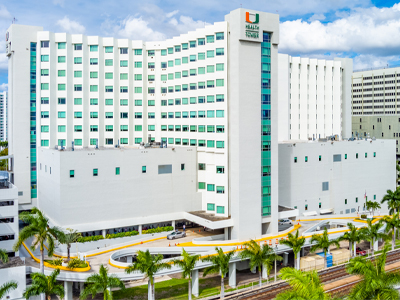
Cardiac Surgery at UHealth Tower
1400 Northwest 12th Avenue, Suite 1
Miami, FL 33136
Get Directions
Our Experts
Why Choose UHealth for PTE Surgery?
State-of-the-art facility. Your cardiothoracic surgery will be performed at the UHealth Tower in Miami. This facility is equipped with the latest technology and staffed by highly trained medical professionals dedicated to complex cardiac and pulmonary procedures, ensuring a safe and advanced environment for your treatment and recovery.
Leaders in complex cardiothoracic care. UHealth's multidisciplinary team approach ensures that every aspect of your care — from your initial diagnosis and treatment planning to the surgical procedure itself and comprehensive long-term recovery — is expertly coordinated by collaborative specialists in cardiac and thoracic surgery, cardiology, pulmonology, and pulmonary rehabilitation.
Leading-edge technology. UHealth offers advanced imaging as well as traditional open-heart, complex minimally invasive, robotic, and hybrid surgical options. Our medical researchers actively engage in groundbreaking studies and clinical trials to provide the most effective and innovative treatment options available.
Questions? We're here to help.
Our appointment specialists are ready to help you find what you need. Contact us today.