
The cardiovascular team at UHealth – University of Miami Health System uses advanced techniques for heart tumor surgery. We deliver comprehensive, personalized care for benign and malignant cardiac tumors—focused on reducing stroke risk, improving symptoms, and protecting your heart health.
What Are Cardiac Tumors and Why Is Expert Care Important?
Cardiac tumors are rare growths that develop in or around the heart. Most primary cardiac tumors are benign (noncancerous), but they can still interfere with blood flow or cause dangerous complications like stroke if fragments break off and travel through the bloodstream.
At UHealth, our expert cardio-oncology team specializes in diagnosing and treating heart tumors with advanced imaging, surgical precision, and personalized care. We bring together cardiothoracic surgeons, cardiologists, cardiac imaging experts, and oncologists to ensure you receive the safest, most effective treatment, whether your tumor is benign or malignant.
Understanding Cardiac Tumors
Primary vs. Metastatic Tumors
- Primary cardiac tumors start in the heart. Most are benign; malignant primary tumors (such as sarcomas) are uncommon.
- Metastatic cardiac tumors start elsewhere (for example, lung, breast, kidney, or melanoma) and spread to the heart. These are significantly more common than primary cardiac tumors.
Benign Tumors: Why Surgery May Be Recommended
Atrial myxoma is the most common benign heart tumor. Surgical removal (also called surgical resection or tumor excision) is typically recommended because:
- Myxomas can obstruct blood flow within the heart.
- Pieces can break off and travel to the brain or other organs, causing stroke or other complications.
- Removing the tumor allows for a definitive tissue diagnosis.
Malignant or Metastatic Tumors
We take a personalized approach to managing malignant tumors. Surgery may be considered to relieve symptoms (for example, obstruction) or as part of a broader treatment plan developed with our cardio-oncology and interventional cardiology teams.
Symptoms of a Cardiac Tumor
Some cardiac tumors are found incidentally on imaging. Others cause symptoms that depend on size and location. Contact us if you experience:
- Shortness of breath, especially with activity or when lying flat
- Fainting or near-fainting episodes
- Chest pain or pressure
- Irregular heartbeat (palpitations)
- Unexplained fever, fatigue, or weight loss
- Stroke symptoms (sudden weakness, facial droop, difficulty speaking)
If stroke symptoms occur, call 911 immediately.
Diagnostic Tools We Use
Accurate imaging is essential for diagnosis and surgical planning. You may have one or more of the following tests:
- Transthoracic echocardiogram (TTE): A noninvasive ultrasound of the heart that helps identify a mass, its size, and its effect on blood flow.
- Transesophageal echocardiogram (TEE): Provides more detailed images, especially for tumors in certain locations.
- Cardiac MRI: Offers high-resolution pictures and tissue characterization to help define the tumor's features and relation to valves and chambers.
- Cardiac CT or PET-CT (as needed): May help evaluate tumor extent or assess for metastatic disease.
Your care team reviews these studies together to determine whether surgery is recommended and which approach is safest.
Who Is a Candidate?
Candidacy is a collaborative decision. A cardiovascular surgeon, cardiologist, and cardiac imaging experts assess:
- Tumor type and features (e.g., suspected myxoma, mobility/pedunculated attachment, evidence of embolization)
- Size and location (atria, ventricles, valves)
- Symptoms and overall health
- Risk of embolism or obstruction
- Presence of cancer elsewhere (for metastatic cases)
Surgery is commonly recommended for primary tumors such as myxoma and for symptomatic tumors causing obstruction or embolic risk. Select patients with metastatic tumors may benefit from surgery to relieve symptoms or improve outcomes as part of a broader treatment plan.
Benefits of Cardiac Tumor Surgery
Every patient is different. Your team will discuss your individual risks and how we work to prevent and manage complications.
Potential Benefits
- Removal of the tumor, which is typically curative for many benign tumors such as myxoma
- Lower risk of stroke or embolization
- Relief of symptoms and improved heart function
- Definitive tissue diagnosis to guide any additional care
We use standardized protocols before, during, and after surgery to minimize these risks and support a safe recovery.
Your Surgical Experience at UHealth
Your visit includes a comprehensive consultation with your surgeon. We will:
- Review your imaging and health history
- Discuss the surgical plan and alternatives
- Explain benefits, risks, and what to expect
- Provide pre-operative instructions and any additional testing needed
What to Expect During Surgery
Most heart tumor surgeries are performed as open-heart procedures under general anesthesia. You'll be connected to a cardiopulmonary bypass (heart–lung) machine, which takes over heart and lung function so the surgeon can safely remove the tumor.
Your surgeon aims to remove the entire mass along with a small margin of surrounding tissue to reduce the chance of recurrence. If a tumor affects a heart valve, a valve repair or replacement may be performed during the same operation.
For certain benign tumors in suitable locations, our surgeons may use minimally invasive or robotic-assisted techniques. These approaches are not appropriate for all tumors, but when feasible they can reduce incision size, scarring, and recovery time.
Immediately After Surgery
After surgery, you'll recover in our cardiac intensive care unit (ICU), where we closely monitor your heart rhythm, blood pressure, oxygen levels, and pain control. When stable, you'll transfer to a cardiac step-down unit or hospital room to begin walking with assistance, practice breathing exercises, and continue your recovery plan.
Recovery and Long-Term Outlook
Most patients stay in the hospital about 5–7 days, followed by several weeks of healing at home. Your exact recovery depends on your overall health, the tumor's location, and the surgical approach.
Cardiac rehabilitation is strongly recommended. This supervised program helps you rebuild strength and endurance safely, manage medications, and return to daily activities with confidence.
You'll have regular follow-up visits and surveillance imaging, usually with echocardiography; your team may also recommend periodic cardiac MRI depending on your diagnosis. We tailor your plan to your specific tumor type and personal risk factors.
Why Choose UHealth for Cardiac Tumor Care
Multidisciplinary Expertise. Your care is coordinated by cardiothoracic surgeons, cardiologists, imaging specialists, and cardio-oncology experts who routinely manage rare and complex tumors.
Advanced Imaging and Technology. We use high-resolution echo, cardiac MRI, and, when appropriate, minimally invasive and robotic-assisted surgical platforms.
Personalized Care Plan. We align surgery, medical therapy, and rehabilitation around your goals and overall health.
Continuity of Care. From diagnosis through recovery and long-term surveillance, the same integrated team follows you.
Frequently Asked Questions
Our Location
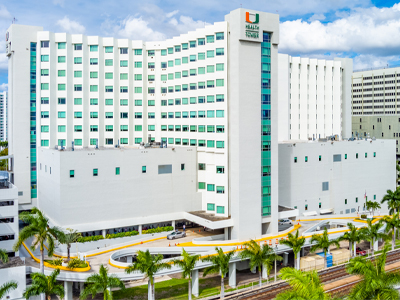
Cardiac Surgery at UHealth Tower
1400 Northwest 12th Avenue, Suite 1
Miami, FL 33136
Get Directions
Our Experts
Questions? We're here to help.
Our appointment specialists are ready to help you find what you need. Contact us today.