
Surgical Ventricular Remodeling (SVR) is a specialized heart surgery for patients with severe heart failure. The procedure reshapes the left ventricle — the heart's main pumping chamber — so it works more efficiently.
Heart failure often develops after a heart attack damages part of the heart muscle. The healthy muscle stretches to compensate, but over time this weakens the heart. SVR helps restore the heart to a healthier shape and improves its ability to pump blood.
At UHealth – University of Miami Health System, our expert cardiovascular surgeons provide this complex procedure as part of our advanced heart failure treatment program.
The Goal of SVR: Restoring Heart Function
After a heart attack, scar tissue can form. This scar tissue doesn't contract, which forces the healthy parts of the heart to work harder. SVR aims to:
- Remove or exclude damaged, non-functioning scar tissue.
- Reshape the left ventricle into a more natural, oval shape.
- Reduce the extra strain on the heart so the remaining healthy muscle can pump more effectively.
The Dor Procedure
The most common type of SVR is the Dor Procedure (Endoventricular Circular Patch Plasty).
During this surgery, the surgeon removes or closes off scarred areas inside the left ventricle and uses a patch to rebuild the inner wall. Restoring the ventricle's natural shape helps the heart pump blood more efficiently and often improves ejection fraction — the percentage of blood pumped out with each beat.
Who Benefits from SVR?
SVR is usually considered for patients with advanced heart failure when medicines alone aren't enough.
Conditions where SVR may help include:
- Left ventricular aneurysm: A bulge or ballooning in the heart wall caused by an earlier heart attack.
- Extensive scar tissue: Areas of non-functioning muscle that weaken the heart's pumping ability.
- Low ejection fraction: When the heart pumps very little blood with each beat, even with medication.
Our team uses advanced imaging and testing to decide whether SVR is the right treatment for you.
What to Expect
Before Surgery
- You'll have advanced imaging to map out the scar tissue and plan the repair.
- Our team will carefully review your overall health and medications.
- You'll receive guidance to prepare your body for major surgery, including fasting instructions and optimization of medical conditions.
During Surgery
- SVR is done as open-heart surgery with the support of a heart-lung machine, which takes over while the surgeon reshapes the heart.
- Key steps include:
- Removing or excluding damaged scar tissue (aneurysmectomy).
- Reducing and reshaping the ventricle with sutures or a circular patch.
- Combining the repair with other procedures if needed, such as coronary artery bypass (CABG) or mitral valve repair.
After Surgery
- You'll recover first in the Cardiac Intensive Care Unit (CICU) under close monitoring.
- Pain control, heart rhythm monitoring, and gradual activity are priorities.
- Hospital stays are typically 7–10 days before transitioning to home recovery.
Benefits and Outcomes of SVR
The goal of SVR is to help patients with advanced heart failure live longer, more active lives. Benefits may include:
- Stronger pumping function (ejection fraction).
- Reduced symptoms such as fatigue and shortness of breath.
- Better quality of life and improved ability to perform daily activities.
- Fewer hospital stays related to worsening heart failure.
Understanding Potential Risks
SVR is major surgery and, like all operations, carries risks. These can include:
- Infection, bleeding, or anesthesia complications.
- Heart rhythm problems (arrhythmias).
- In some cases, temporary support with mechanical devices may be needed.
Our team will discuss your personal risk factors in detail so you and your family feel fully informed before surgery.
Recovery and Life After SVR
Most patients spend 7–10 days in the hospital, including time in the CICU and a step-down unit.
A key part of recovery is cardiac rehab, a supervised program of safe exercise and education. Rehab helps rebuild stamina, improve muscle strength, and support lifestyle changes that protect long-term heart health.
Recovery Timeline
- 6–12 weeks: Many patients can return to activities like driving or light work.
- Ongoing: Regular follow-up and monitoring by your care team ensure the best long-term outcome.
Frequently Asked Questions About Surgical Ventricular Remodeling
Our Location
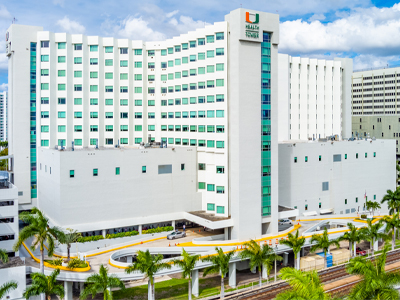
Cardiac Surgery at UHealth Tower
1400 Northwest 12th Avenue, Suite 1
Miami, FL 33136
Get Directions
Our Experts
Why Choose UHealth Cardiovascular for SVR?
Specialized Expertise. Our surgeons are experienced in the Dor procedure and other advanced techniques.
A Multidisciplinary Heart Team. Cardiovascular surgeons, heart failure specialists, vascular experts, and rehab staff work together for seamless care.
Innovation and Research. As an academic medical center, we offer access to the latest surgical advances and clinical trials.
A Focus on Quality of Life. Our goal is to help you live better, not just longer.
Questions? We're here to help.
Our appointment specialists are ready to help you find what you need. Contact us today.