
Atrial fibrillation (AFib) is a complex heart rhythm disorder that increases the risk of stroke and other serious complications. At the University of Miami Health System, our AFib program is distinguished by its commitment to research-driven care and innovation.
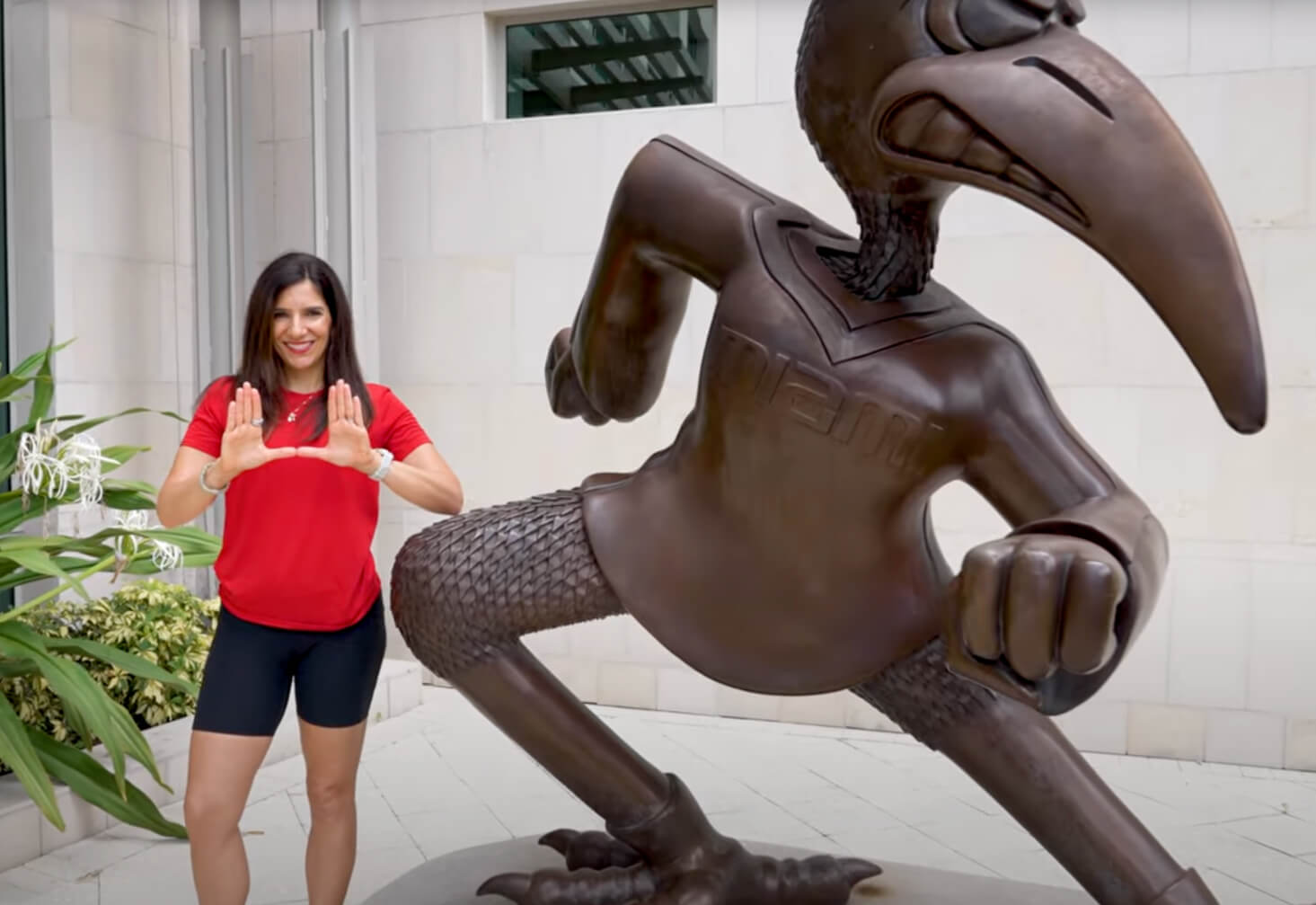
Paloma Fonseca's Journey
Imagine your heart skips a beat and feels like a butterfly in your chest. That’s the feeling Paloma Fonseca lived with on a daily basis. The common heart condition prevented her from doing what she loved most: taking part in triathlons and half marathons...
Research-Driven Diagnosis and Treatment
UHealth’s AFib specialists are at the forefront of cardiovascular research, participating in national and international studies to advance the understanding and management of atrial fibrillation. Our team collaborates across disciplines—including cardiology, endocrinology, sleep medicine, nutrition, and psychology—to address the underlying risk factors and improve patient outcomes
- Comprehensive Evaluation: Every patient receives a thorough assessment using advanced diagnostic tools such as electrocardiogram (ECG), echocardiogram, and computed tomography (CT) or cardiac MRI. UHealth is pioneering the use of 4D flow cardiac MRI and Electrogram Morphology Recurrence mapping to pinpoint the sources of AFib and visualize blood flow, respectively, supporting more precise and effective treatment strategies.
Advanced AFib Treatment Options in Miami
UHealth offers a full spectrum of AFib treatments — many of which are not available elsewhere in South Florida. These include non-invasive therapies, minimally invasive procedures, and innovative surgical options.
Catheter Ablation for AFib
Our heart rhythm specialists (electrophysiologists) use catheter ablation to stop irregular electrical signals in the heart. A catheter is inserted through a vein and guided to the heart using advanced imaging. Heat (radiofrequency) or cold (cryotherapy) energy is applied to targeted tissue or pulsed field ablation, helping restore a normal heartbeat.
Our catheter ablation techniques for AFib help prevent the development of new arrhythmias. However, if you have scar tissue from a past ablation that causes a new atrial arrhythmia, we offer safe re-ablation or other effective treatment.
Pulsed Field Ablation (PFA) treatment for AFib
PFA uses a special catheter system for ablation. Unlike older methods that use heat or freezing, pulsed field ablation targets only the heart tissue causing AFib and avoids damage to nearby areas like the esophagus or nerves that could be affected by thermal ablation.
The availability of multiple PFA systems is part of UHealth's commitment to personalized heart care, combining cutting-edge tools with expert teams to improve outcomes and quality of life.
The MAZE procedure
When catheter ablation is not suitable or when patients are already having heart surgery, our surgeons perform the MAZE procedure. This technique blocks abnormal electrical pathways, often using minimally invasive approaches to reduce recovery time.
Your doctor may recommend the MAZE procedure if:
- You had ablation in the past, and your AFib has returned.
- You are having cardiac surgery for another reason.
WATCHMAN™ Device for Stroke Prevention
For patients who cannot take blood thinners, the WATCHMAN™ device offers an alternative. This minimally invasive implant closes off the left atrial appendage, preventing blood clots from forming and lowering the risk of stroke.
MRI-Guided Evaluation and Electrogram Mapping
UHealth pioneers technologies such as Electrogram Morphology Recurrence mapping to pinpoint the exact sources of AFib. Our specialists also use 4D flow cardiac MRI to visualize blood flow and identify areas where clots may form.
Comparing AFib Treatment Options
| Treatment Option | Benefits | Risks/Considerations | Best for… |
|---|---|---|---|
| Catheter Ablation (PFA) | Precise treatment using 3D mapping & pulsed field ablation; faster, safer procedures | Still new technology, availability may be limited | Initial therapy for AFib |
| Catheter Ablation | Restores normal rhythm without surgery | Risk of bleeding, recurrence | Discussion with your physician |
| MAZE Procedure | Effective during heart surgery | Requires surgical recovery | Patients already undergoing cardiac surgery |
| WATCHMAN™ Device | Reduces stroke risk without blood thinners | Implant-related risks, not for all | Patients who cannot tolerate anticoagulants |
| Lifestyle Changes & Medications | Improves overall heart health | May not fully resolve AFib | Patients with mild or occasional AFib |
AFib Risk Factor Modification Program
We offer Florida's only comprehensive AFib risk factor program. Before and after ablation, a dedicated nurse practitioner and multidisciplinary team help you control:
- Excess weight (through nutrition and exercise plans)
- High blood pressure (with medications such as beta-blockers or ACE inhibitors)
- Obstructive sleep apnea (with CPAP therapy)
- Unhealthy eating habits (with low-sodium, DASH-based diets)
Our program equips you to make sustainable changes that improve outcomes and help prevent AFib recurrence.
Research that Powers Better Outcomes
Through medical research, UHealth teams are leading the way to identifying AFib earlier — or preventing it altogether. Our teams are actively engaged in advancing clinical trials.
These and other initiatives help us deliver tomorrow's therapies today.
Why Choose UHealth for AFib Treatment
Patients with complex health conditions like atrial fibrillation need expert care. If you live in South Florida, you have access to some of the top physicians in cardiology and advanced procedures that are hard to find elsewhere. Our involvement in clinical trials ensures you get the latest and most effective treatment. At UHealth, our combination of expertise, research, and technology gives you the best chance of controlling your atrial fibrillation.
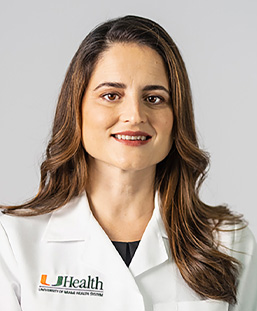
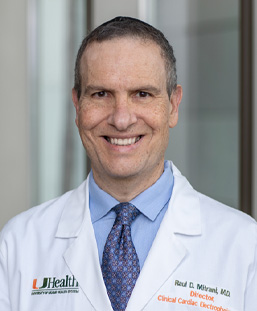
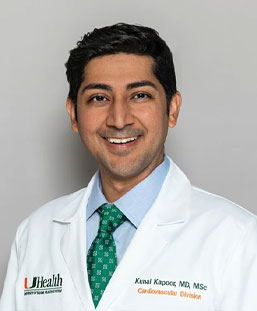
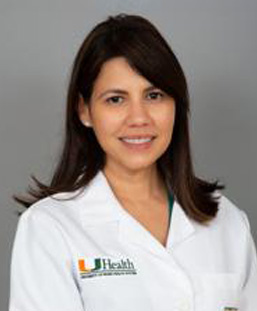
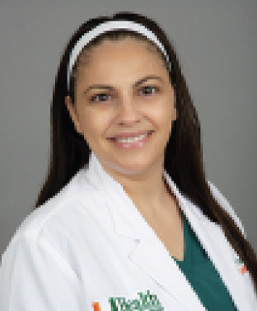
Meet Your AFib Specialist Team
Our specialized team is focused on developing personalized plans to treat your AFib with the highest chance of success.

Professor of Medicine
Professor of Clinical Medicine



Medically reviewed July 2025.
Questions? We're here to help.
Our appointment specialists are ready to help you find what you need. Contact us today.