
Mechanical Circulatory Support (MCS) is a life-saving treatment that uses specialized devices to help a failing heart pump blood. At UHealth – University of Miami Health System, our multidisciplinary cardiac team offers the most advanced MCS therapies for patients with severe heart failure, acute cardiogenic shock, or those awaiting a heart transplant.
What Is Mechanical Circulatory Support?
Mechanical Circulatory Support refers to the use of implantable or external devices that assist or fully replace the pumping action of the heart. These devices improve blood flow to vital organs when the heart can't do it on its own.
MCS may be used as:
- A bridge to transplant for patients awaiting a heart transplant
- A bridge to recovery after acute heart failure or surgery
- Destination therapy for patients not eligible for transplant
Who Needs Mechanical Circulatory Support?
You may be a candidate for MCS if you have:
- Advanced or end-stage heart failure
- Cardiogenic shock after a heart attack or cardiac surgery
- Failing heart function despite optimal medical therapy
- A need for long-term support while awaiting transplant
MCS Devices Can Provide
- Temporary cardiac assistance: allowing the compromised organs to rest and potentially recover
- A bridge to a decision: providing support while you and UHealth's multidisciplinary team determines the best long-term strategy for your recovery journey
- A bridge to transplant surgery: sustaining life and stabilizing your health, allowing you to gain strength while you await a heart transplant
- A bridge to recovery: allowing your heart to heal, potentially leading to recovery and weaning off of this device
- Long-term support: significantly enhancing the expected outcomes, cardiac function, and quality of life for patients with chronic heart conditions who are not candidates for a heart transplant
Benefits of MCS Therapy at UHealth
Mechanical Circulatory Support offers life-altering benefits, providing a crucial lifeline for patients with severe heart and lung conditions who have exhausted other treatment options. These benefits extend to vital organ recovery, enhanced quality of life, and significantly improved survival rates.
Improved Organ Function
By assisting the heart and lungs, MCS devices allow these vital organs to rest, recover, and often improves blood supply to other organs, preventing or reversing organ damage. This restoration of proper hemodynamics is critical for your overall health.
Enhanced Quality of Life
If you receive a ventricular assist device for long-term therapy, this MCS can dramatically improve your physical activity levels, independence, and overall quality of life, enabling you to return to a more active lifestyle.
Improved Survival Rates
MCS therapy has been shown to significantly improve survival rates compared to conventional medical therapy alone — offering a new lease on life.
Types of Mechanical Circulatory Support Devices
Each MCS device has unique features and functions. UHealth's heart health team will carefully select, surgically implant, and monitor an MCS device that meets the severity of your heart condition and the duration of support you need, considering the next stage of your cardiac recovery journey.
Types of MCS devices include:
- Ventricular Assist Devices
- Left Ventricular Assist Device
- Right Ventricular Assist Device
- Biventricular Assist Device
- Extracorporeal Membrane Oxygenation
- Veno-Arterial
- Veno-Venous
- Impella
- TandemHeart
- Intra-aortic Balloon Pump
Are You a Good Candidate for Mechanical Circulatory Support?
At UHealth, our multidisciplinary heart health team will thoroughly evaluate you and your cardiac health to determine if an MCS device could help support your heart function and improve your quality of life. These experts include cardiologists, renowned cardiac surgeons, experienced critical care medicine physicians, and other specialists.
Typically, Mechanical Circulatory Support is appropriate for patients with cardiac dysfunction that severely compromises the heart's ability to pump blood and is unresponsive to other medical treatments.
These heart conditions include:
- Heart Failure
- Cardiogenic Shock/ Post-cardiotomy Cardiogenic Shock
- Advanced Cardiomyopathy
- Acute myocardial infarction (heart attack) with intractable Cardiogenic Shock
- Severe acute respiratory failure (such as Acute Respiratory Distress Syndrome, when conventional ventilation is insufficient
What to Expect with Mechanical Circulatory Support at UHealth
Your journey with Mechanical Circulatory Support at UHealth involves a carefully coordinated, multi-stage process, from initial assessment to ongoing monitoring and long-term support. Our approach promotes your optimal outcomes.
Preparation and Evaluation
You will undergo a comprehensive initial evaluation, including diagnostic imaging like echocardiography, cardiac catheterization, and detailed functional assessments. Our multidisciplinary team will determine the most appropriate MCS strategy.
Device Implantation
This surgical process depends on the type of MCS you will receive.
For Ventricular Assist Devices, you will undergo a precise surgical implantation of the device into or connected to your heart, which may require open-heart surgery.
For Extracorporeal Membrane Oxygenation and other temporary support devices, you will undergo a process called cannulation, where specialized tubes (cannulae) are inserted into large blood vessels, typically in the neck or groin, to connect you to the external MCS machine.
Post-Procedure Care
Immediately following the implantation procedure, we will provide intensive monitoring to ensure a safe and productive start to your recovery, minimizing risks and potential complications.
Recovery: Living with Mechanical Circulatory Support
Adjusting to life with your new MCS device will be a significant part of your recovery process. Your UHealth heart health team will provide support to facilitate this stage of your recovery, focusing on helping you regain your independence and well-being.
We provide education and training for you and your family/caregivers so you understand how to safely care for and manage your MCS device management at home, ensure power source reliability, and troubleshoot any alarms. If you receive a temporary devices, the goal might be to wean you off of this support as your own organs recover function.
Cardiac Rehabilitation
Participation in UHealth's cardiac rehabilitation program is vital for optimizing your recovery, rebuilding strength and endurance, and promoting your long-term heart health. Rehab will help you safely increase your physical activity.
Follow-Up Care
Our heart health team will provide ongoing medical management, including regular clinic visits and device checks. We will monitor your hemodynamics, assesses your MCS device function, adjust your medication as necessary (especially anticoagulation), and addresses any potential complications or concerns. If your MCS device is temporary, these follow-ups will include careful evaluation so we know the right pace to wean you off the device as your organ function improves.
Take the Next Step Towards a Healthier Heart with UHealth
If you or a loved one are facing a severe heart condition, such as advanced heart failure or cardiogenic shock, and wish to explore whether Mechanical Circulatory Support options are right for you, UHealth's heart health team can provide a comprehensive evaluation and compassionate care. Our specialists can explore your potential for temporary support, long-term support, or a transplant bridge strategy.
Call (305) 689-2784 to schedule an appointment with our cardiac surgery team today.
Our Location
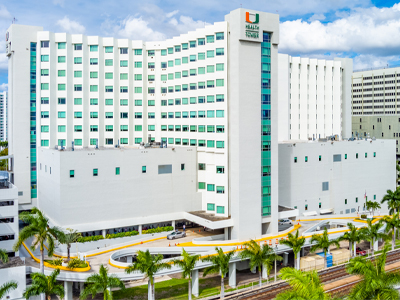
Cardiac Surgery at UHealth Tower
1400 Northwest 12th Avenue, Suite 1
Miami, FL 33136
Get Directions
Our Experts
Why Choose UHealth for Mechanical Circulatory Support?
Expert Multidisciplinary Care. Our collaborative, patient-centered heart health team includes cardiac surgeons, interventional cardiologists, critical care medicine physicians, perfusion experts, MCS nurses, physical therapists, and social workers to improve not only your heart health, but your overall quality of life.
Advanced Technology and Therapies. UHealth provides access to the latest generation of MCS devices, including advanced LVADs, as well as cutting-edge techniques for implantation and device management. This ensures our patients receive effective treatment for both temporary support and long-term care.
Comprehensive Care, Seamless Support. From your initial consultation and precise device selection to surgical Implantation, intensive critical care monitoring, comprehensive rehabilitation programs, and long-term follow-up care, we provide holistic, integrated care.
FAQs About Mechanical Circulatory Support with UHealth
Questions? We're here to help.
Our appointment specialists are ready to help you find what you need. Contact us today.