
What is Transarterial Embolization for Achilles Tendinopathy?
Transarterial embolization (TAE) is a minimally invasive procedure that treats chronic Achilles tendon pain by targeting abnormal blood vessels associated with Achilles tendinopathy.
TAE is designed for patients whose symptoms have not improved with conservative treatments and who want to avoid surgery or are not candidates for surgical treatment. The procedure targets abnormal blood vessels and nerve pathways that may contribute to persistent pain and inflammation within the Achilles tendon.
How Does TAE Work?
Chronic Achilles tendinopathy is associated with the development of abnormal blood vessels, called neovessels, and sensitive nerve fibers within the tendon. These abnormal blood vessels and nerves may contribute to ongoing pain and inflammation.
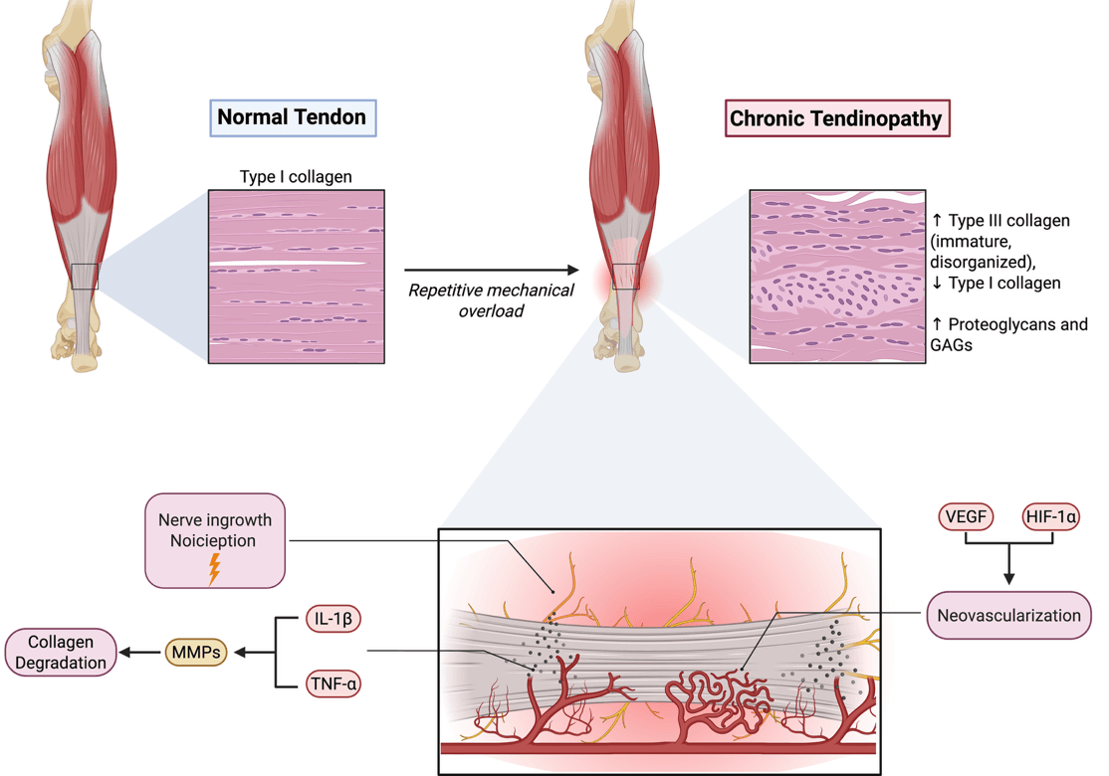
During TAE, an interventional radiologist uses image guidance to identify the arteries supplying these abnormal vessels. Small embolic particles are delivered through a catheter to selectively block the abnormal blood vessels. By reducing abnormal blood flow, TAE is intended to decrease inflammation and interrupt pain signaling within the tendon.
Who Can Benefit
You may be a candidate for transarterial embolization if you:
- Have experienced Achilles tendon pain for at least three months.
- Have symptoms that interfere with walking, exercise, sports, or daily activities.
- Have not achieved adequate relief with physical therapy, exercise programs, or anti-inflammatory medications.
- Want to avoid surgery or are not a candidate for surgery.
- Are an athlete or active individual seeking to return to training or sports participation.
An interventional radiologist will review your symptoms, imaging studies, treatment history, and overall health to determine whether TAE is appropriate for your condition.
What to Expect
Before the procedure
Before treatment, you will meet with an interventional radiologist for a consultation. Your physician will review:
- Your medical history
- Previous treatments
- Laboratory testing
- Imaging studies
- The duration and severity of your symptoms
Your doctor will discuss the benefits, risks, and treatment goals and determine whether TAE is an appropriate option.
During the procedure
TAE is typically performed using local anesthesia and moderate sedation. During treatment:
- A thin catheter is inserted through a small puncture, usually in the groin (femoral artery).
- Advanced imaging is used to guide the catheter to the arteries supplying the Achilles tendon.
- The interventional radiologist identifies abnormal blood vessels associated with the tendon.
- Small embolic particles are delivered through the catheter to selectively block these abnormal vessels.
The procedure is performed through a small access site and does not require open surgery.
After the procedure
- Most patients return home the same day.
- Many patients experience pain reduction during the first week after treatment.
- Patients can typically return to daily activities relatively quickly, although strenuous exercise and sports activities should be avoided for approximately two weeks following the procedure.
- Your physician will provide individualized instructions regarding activity progression and recovery.
Benefits of TAE for Achilles Tendinopathy
Clinical studies report meaningful improvements in pain, function, and activity levels following treatment.
Reduced Achilles Tendon Pain
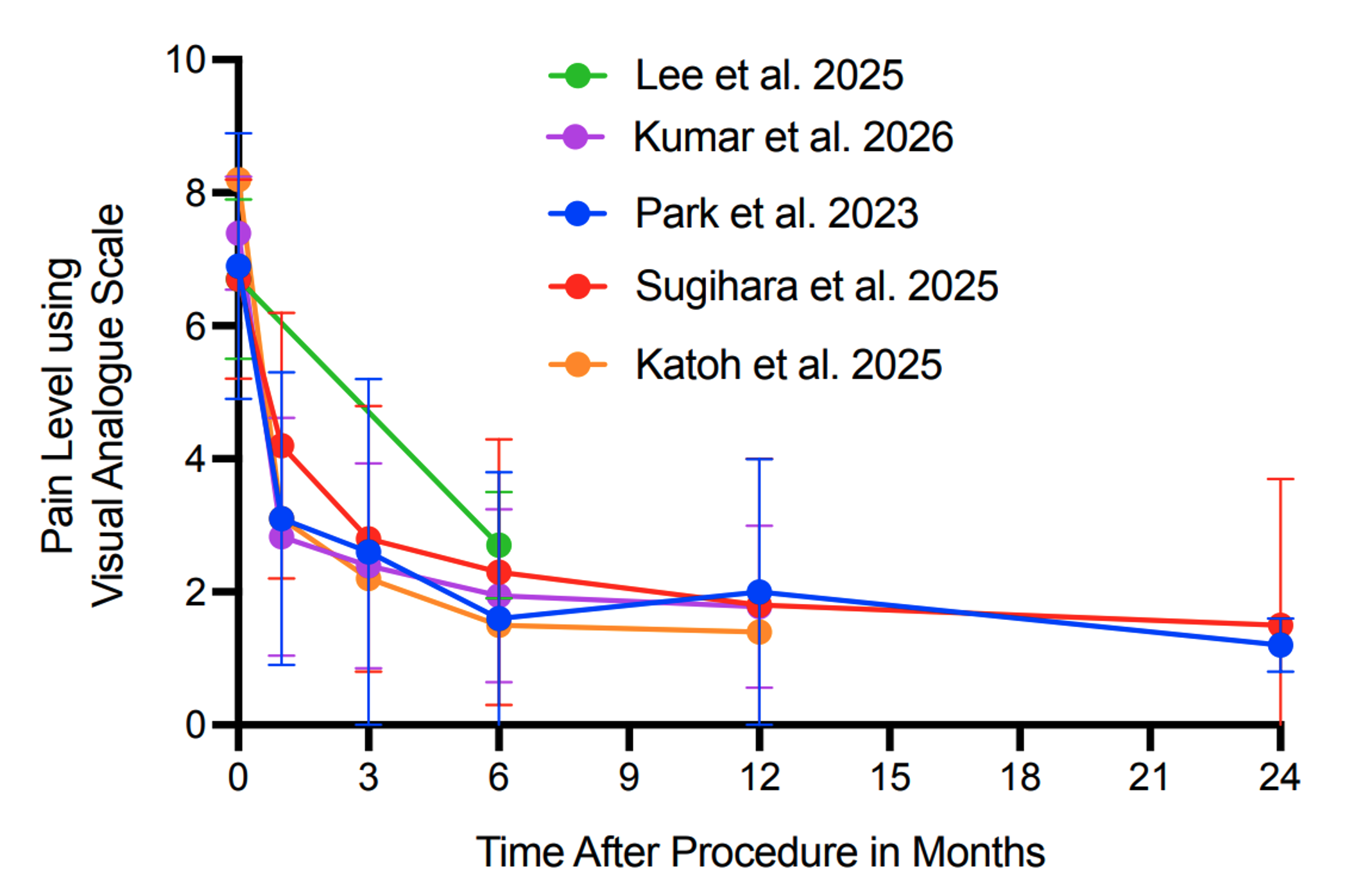
Patients treated with TAE have reported substantial reductions in pain scores compared with baseline symptoms. Many patients experience significant pain improvement during the first weeks and months after treatment.
Improved Function
Functional outcome measures demonstrated meaningful improvement following treatment. As pain decreases, many patients experience greater comfort during walking, exercise, and daily activities.
Return to Sports and Physical Activity
Clinical studies report high rates of return to athletic training and competition following treatment. For active individuals and athletes, TAE may help support a return to sports participation after recovery and physician guidance.
Long-Lasting Relief
Clinical studies reported sustained improvements in pain and function for up to 24 months after treatment.
Minimally Invasive Alternative to Surgery
TAE is performed through a small catheter rather than a surgical incision. Most patients return home the same day and avoid the recovery associated with major surgery. Clinical studies reported no tendon ruptures associated with treatment.
Risks and Side Effects
TAE has demonstrated a favorable safety profile in clinical studies. Reported side effects were generally minor and temporary and included:
- Small bruises or hematomas at the catheter insertion site
- Temporary skin discoloration near the heel
- Temporary soreness at the treatment site
No major complications, including tendon rupture or nerve injury, were reported across the referenced studies. Your physician will review the risks and benefits of treatment during your consultation.
How Long Does Recovery Take After TAE?
Recovery varies from patient to patient. Many patients report meaningful pain reduction within the first week after treatment. Improvement in function and activity levels may continue over the following months.
Patients are generally advised to avoid strenuous exercise and sports activities for approximately two weeks after the procedure before gradually returning to activity based on physician recommendations.
Frequently Asked Questions (FAQs)
Why Choose UHealth for Achilles Tendinopathy Treatment?
Chronic Achilles tendon pain can affect every aspect of daily life, from walking and exercise to sports participation and overall mobility. At UHealth, patients receive comprehensive evaluation and treatment from specialists experienced in minimally invasive therapies for chronic musculoskeletal pain.
Our goal is to identify the source of your symptoms and develop a personalized treatment plan that helps reduce pain, improve function, and support a safe return to activity.
Specialized Expertise in Interventional Radiology. Transarterial embolization (TAE) is performed by interventional radiologists with specialized training in minimally invasive, image-guided vascular procedures. Using advanced imaging technology, our physicians precisely identify and target the abnormal blood vessels associated with chronic Achilles tendinopathy while preserving healthy surrounding tissues.
Collaborative Care for Achilles Tendon Pain. Achilles tendinopathy can affect athletes, active adults, and individuals whose work or daily activities place repeated stress on the tendon. Our Interventional Radiology team works closely with orthopedic surgeons and sports medicine specialists to help ensure that each patient receives an individualized evaluation and treatment strategy based on their symptoms, activity goals, and previous treatments.
Advanced Imaging and Treatment Planning. Successful treatment begins with an accurate diagnosis. Your physician will review your medical history, previous treatments, and imaging studies to determine whether transarterial embolization is an appropriate treatment option. Advanced imaging is also used during the procedure to identify the abnormal blood vessels associated with chronic Achilles tendon pain and guide treatment with precision.
Personalized Treatment for Active Individuals. Every patient has different goals. Whether your objective is returning to competitive sports, resuming exercise, or simply walking and performing daily activities with less pain, our team develops a treatment plan tailored to your needs and functional goals.
Minimally Invasive Alternative to Surgery. For patients whose symptoms have not improved with conservative treatment, TAE may offer a minimally invasive alternative to surgery. The procedure is performed through a small catheter rather than a surgical incision, allowing most patients to return home the same day.
Take the Next Step
If chronic Achilles tendon pain is limiting your ability to walk, exercise, train, or participate in the activities you enjoy, you may benefit from an evaluation with a UHealth interventional radiologist. Schedule a consultation to learn whether transarterial embolization (TAE) may be an appropriate treatment option for your Achilles tendinopathy.
References:
- Okuno, Y., N. Matsumura, and S. Oguro, Transcatheter arterial embolization using imipenem/cilastatin sodium for tendinopathy and enthesopathy refractory to nonsurgical management. J Vasc Interv Radiol, 2013. 24(6): p. 787-92.
- Epelboym, Y., et al., Transcatheter arterial tendinopathy embolization as a treatment for painful and refractory tendinopathy: a systematic review and meta-analysis. Skeletal Radiol, 2024. 53(11): p. 2429-2435.
- Sugihara, E., et al., A Retrospective, Multicentric Evaluation of the Safety and Efficacy of Transcatheter Arterial Micro Embolization for Refractory Achilles Tendinopathy. Cardiovasc Intervent Radiol, 2025. 48(12): p. 1725-1734.
- Lee, J.H., et al., Combined Percutaneous Sclerotherapy Plus Transarterial Embolization for Refractory Sports Injuries in Young Athletes: A Feasibility Study. Cardiovasc Intervent Radiol, 2025. 48(8): p. 1200-1204.
- Kumar, N., et al., Transarterial Embolization Using Imipenem/Cilastatin for Chronic Painful Achilles Tendinopathy Refractory to Conservative Management. J Vasc Interv Radiol, 2026. 37(1): p. 107877.
- Katoh, M., et al., Transarterial periarticular embolization (TAPE) for treatment of achillodynia: initial results. Orthopadie (Heidelb), 2025. 54(2): p. 144-150. Park, J., et al., Clinical Outcomes of Transarterial Embolization for Chronic Achilles Tendinopathy Refractory to Conservative Treatment: A Pilot Study. J Vasc Interv Radiol, 2023. 34(1): p. 63-70.e1.
- Wood MC, et al. Emerging Role of Targeted Arterial Embolization in Achilles Tendinopathy. J Vasc Interv Radiol. 2026 Jul 27:108984.
Questions? We're here to help.
Our appointment specialists are ready to help you find what you need. Contact us today.