Skip to Main Content
Important information:
Important Information Regarding UnitedHealthcare – Learn More.
  • UHealth |
  • Bascom Palmer Eye Institute
Sylvester Comprehensive Cancer Center
  • Appointments
  • Locations
  • Pay a Bill
  • Refer a Patient
  • International Patients
  • Donate Now
  • Search
  • Patient Login
  • Find a Doctor
  • Cancer Types & Treatments Page 1
    Cancer Types
    • Basal Cell Skin Cancer of the Eye
    • Benign Eye Diseases
    • Bladder Cancer
    • Bone and Soft Tissue Sarcoma
    • Brain and Spine Tumors
    • Breast Cancer
    • Colorectal Cancer
    • Cysts and Tumors of the Pleura
    • Endocrine Cancers
    • Eye and Ocular Cancer
    • Genitourinary Cancers
    • Glioblastoma
    • Gynecologic Cancers
    • Head and Neck Cancers
    • Hematologic (Blood) Cancers
    • Hodgkin Lymphoma
    • Leukemia
    • Liver Cancer
    • Lung and Chest Cancer
    • Melanoma and Merkel Cell Carcinomas
    • Multiple Myeloma
    • Non-Hodgkin Lymphoma
    • Ocular Lymphoma
    • Pancreatic Cancer
    • Pediatric Cancers
    • Prostate Cancer
    • Skin Cancers
    • Bone and Soft Tissue Sarcoma
    • Stomach Cancer
    • Thyroid Cancer
    View all Cancer Types
    Treatments
    • Bone Marrow and Stem Cell Transplant
    • Breast Reconstruction
    • CAR T-cell Therapy
    • Gamma Knife Radiosurgery
    • Hyperthermic Intraperitoneal and Intrapleural Chemotherapy (HIPEC)
    • Laser Ablation
    • Laser Interstitial Thermal Therapy
    • Minimally Invasive Brain Tumor Surgery
    • Precision Medicine
    • Proton Therapy
    • Radiation Therapy
    • Radioactive Iodine Therapy
    Cancer Types
    • Basal Cell Skin Cancer of the Eye
    • Benign Eye Diseases
    • Bladder Cancer
    • Bone and Soft Tissue Sarcoma
    • Brain and Spine Tumors
    • Breast Cancer
    • Colorectal Cancer
    • Cysts and Tumors of the Pleura
    • Endocrine Cancers
    • Eye and Ocular Cancer
    • Genitourinary Cancers
    • Glioblastoma
    • Gynecologic Cancers
    • Head and Neck Cancers
    • Hematologic (Blood) Cancers
    • Hodgkin Lymphoma
    • Leukemia
    • Liver Cancer
    • Lung and Chest Cancer
    • Melanoma and Merkel Cell Carcinomas
    • Multiple Myeloma
    • Non-Hodgkin Lymphoma
    • Ocular Lymphoma
    • Pancreatic Cancer
    • Pediatric Cancers
    • Prostate Cancer
    • Skin Cancers
    • Bone and Soft Tissue Sarcoma
    • Stomach Cancer
    • Thyroid Cancer
    View all Cancer Types
  • Patients & Families
    For Patients & Families
    • Your First Visit
    • Parking Information
    • Frequently Asked Questions
    • Classes & Events
    • Nurse Navigators
    • Interpreter Services
    • Clinical Trials
    • International Patients
    • Medical Records
    • Quality and Patient Safety
    • Patient Educational Materials
    • Advance Directives
    • Bereavement Support

    Cancer Prevention & Screening
    • Why Get Screened?
    • Hereditary Cancer Risk
    • Breast Cancer Screening
    • Cervical Cancer Screening
    • Colorectal Cancer Screening
    • Lung Cancer Screening
    • Prostate Cancer Screening
    • Skin Cancer Screening
    • Stomach Cancer Screening
    • Lifestyle Medicine
    Cancer Supportive Care
    • Classes & Events
    • Acupuncture
    • Adolescent and Young Adult (Ages 15-39) Program
    • Art Therapy
    • Emotional and Mental Well-Being
    • Exercise Oncology
    • Massage Therapy
    • Music Therapy
    • Nutrition
    • Oncology Social Work Services
    • Spiritual Care
    • Support Groups & Programs
    • Wigs and Head Coverings
    • Yoga Therapy
    • View All Cancer Supportive Care
    Cancer Survivorship Care
    • Cancer Survivorship & Supportive Care Institute
    • Survivorship Care
    • Survivorship FAQs
    • Your Survivorship Information
    • Cancer Supportive Care
    • Survivorship News
    • Education & Events
    • Institute Leadership
    • Survivorship Team
    • Survivorship And Supportive Care Research

    Quick Links

    • Appointments
    • Find a Doctor
    • Pay a Bill
    • Insurance Plans Accepted
    • MyUHealthChart
    Donate Today
    Quick links
    • Appointments
    • Find a Doctor
    • Pay a Bill
    • Make a Gift
    • Insurance Plans Accepted
    • MyUHealthChart
    For Patients & Families
    • Your First Visit
    • Parking Information
    • Frequently Asked Questions
    • Classes & Events
    • Nurse Navigators
    • Interpreter Services
    • Clinical Trials
    • International Patients
    • Medical Records
    • Quality and Patient Safety
    • Patient Educational Materials
    • Advance Directives

    Cancer Prevention & Screening
    • Why Get Screened?
    • Hereditary Cancer Risk
    • Breast Cancer Screening
    • Cervical Cancer Screening
    • Colorectal Cancer Screening
    • Lung Cancer Screening
    • Prostate Cancer Screening
    • Skin Cancer Screening
    • Stomach Cancer Screening
    • Lifestyle Medicine
    Cancer Supportive Care
    • Classes & Events
    • Acupuncture
    • Adolescent and Young Adult (Ages 15-39) Program
    • Art Therapy
    • Emotional and Mental Well-Being
    • Exercise Oncology
    • Massage Therapy
    • Music Therapy
    • Nutrition
    • Oncology Social Work Services
    • Spiritual Care
    • Support Groups & Programs
    • Wigs and Head Coverings
    • Yoga Therapy
    • View All Cancer Supportive Care
    Cancer Survivorship Care
    • Cancer Survivorship & Supportive Care Institute
    • Survivorship Care
    • Survivorship FAQs
    • Your Survivorship Information
    • Cancer Supportive Care
    • Survivorship News
    • Education & Events
    • Institute Leadership
    • Survivorship Team
    • Survivorship And Supportive Care Research
    About Sylvester
    • Why Choose Sylvester
    • Message from the Director
    • NCI-Designated Cancer Center
    • Cancer Center of Excellence
    • Our History
    • Mission, Vision & Values
    • Facts and Figures
    • Impact Reports
    • Leadership
    • Partners in Our Mission
    • Careers
    • Cancer Center Volunteers
    • Make a Gift
    • Health News
    • Contact Us
  • Research
    Clinical Trials
    • Find a Clinical Trial
    • Understanding Clinical Trials
    • Clinical Trials FAQ's
    • Phase 1 Clinical Trials
    About Our Research
    • Research Programs
    • Engineering Cancer Cures
    • Faculty
    • Labs
    Research Resources
    • Clinical Research Services
    • Office of Population Sciences
    • Shared Resources
    • Data Science
    • SCAN 360
    • Funding Opportunities
    • Tumor Registry
     
    • Medical Library
    • Grant Writing Support
    • Human Subject Research Office
    • Regulatory Oversight
    • IACUC
    • Responsible Conduct of Research (RCR)
    Clinical Trials
    • Find a Clinical Trial
    • Understanding Clinical Trials
    • Clinical Trials FAQ's
    • Phase 1 Clinical Trials
    About Our Research
    • Research Programs
    • Engineering Cancer Cures
    • Faculty
    • Labs
    Research Resources
    • Clinical Research Services
    • Office of Population Sciences
    • Shared Resources
    • Data Science
    • SCAN 360
    • Funding Opportunities
    • Tumor Registry
    • Medical Library
    • Grant Writing Support
    • Human Subject Research Office
    • Regulatory Oversight
    • IACUC
    • Responsible Conduct of Research (RCR)
  • Education and Training
    Education and Training
    • About Us
    • High School, Undergraduate, & Postbaccalaureate Students
    • Medical Students
    • Graduate Program
    • Postdoctoral Training
    • Clinical Fellowships
     
    • Faculty Development
    • Events Calendar
    Education and Training
    • About Us
    • High School, Undergraduate, & Postbaccalaureate Students
    • Medical Students
    • Graduate Program
    • Postdoctoral Training
    • Clinical Fellowships
    • Faculty Development
    • Events Calendar
  • Community Engagement
    Community Outreach Activity
    • What We Do
    • Game Changer Vehicles
    • Request Our Services
    • Who We Are
    • The Area We Serve
    • Community Partnerships
    • Unite Us
    • Community Advisory Committee (CAC)
    • Partnership Matching Request Form
    • Spotlight Corner
    Community Engagement
    • Firefighter Cancer Initiative
    • Global Oncology
    • World Health Organization
    • Avanzando Caminos: Hispanic/Latino Cancer Survivorship Cohort Study
    Community Outreach Activity
    • What We Do
    • Game Changer Vehicles
    • Request Our Services
    • Who We Are
    • The Area We Serve
    • Community Partnerships
    • Unite Us
    • Community Advisory Committee (CAC)
    • Partnership Matching Request Form
    • Spotlight Corner
    Community Engagement
    • Firefighter Cancer Initiative
    • Global Oncology
    • World Health Organization
    • Avanzando Caminos: Hispanic/Latino Cancer Survivorship Cohort Study
  • About Sylvester
    About Sylvester
    • Why Choose Sylvester
    • Message from the Director
    • NCI-Designated Cancer Center
    • Cancer Center of Excellence
    • Our History
    • Mission, Vision & Values
    • Facts and Figures
    • Impact Reports
     
    • Leadership
    • Partners in Our Mission
    • Careers
    • Cancer Center Volunteers
    • Make a Gift
    • Health News
    • Contact Us
    About Sylvester
    • Why Choose Sylvester
    • Message from the Director
    • NCI-Designated Cancer Center
    • Cancer Center of Excellence
    • Our History
    • Mission, Vision & Values
    • Facts and Figures
    • Impact Reports
    • Leadership
    • Partners in Our Mission
    • Careers
    • Cancer Center Volunteers
    • Make a Gift
    • Health News
    • Contact Us
Patient Login
  • University of Miami Health System
  • Sylvester Comprehensive Cancer Center
  • Patients & Families
  • Patient Educational Materials
  • Nutrition for Lymphedema

Nutrition for Lymphedema

« Back to Patient Educational Materials
Patients & Families
  • Your First Visit
  • Parking Information
  • Frequently Asked Questions
  • Nurse Navigators
  • During Your Treatment
  • Coping with Side Effects
  • Managing Your Care
  • Oncology C.A.R.E. Clinic
  • Sylvester Survivorship and Supportive Care Institute
  • Cancer Survivorship and Supportive Care
  • Lifestyle Medicine
    • Reach and Maintain a Healthy Weight
    • Be Physically Active
    • Healthy Eating
    • Be Tobacco and Smoking Free
    • Survivorship Programs
    • Meet the Team
  • Believe in You
  • Patient Educational Materials
    • Nutrition for Lymphedema
  • Interpreter Services
  • Medical Records
  • Quality and Patient Safety
    • Awards & Recognitions
    • Hospital Quality and Safety Measures Summary
    • Patient Survival Outcomes
      • Acute Lymphocytic Leukemia
      • Acute Myeloid Leukemia
      • Anal
      • Bladder
      • Bone & Joint
      • Brain/Central Nervous System
      • Breast (Female)
      • Cervix Uteri
      • Chronic Lymphocytic Leukemia
      • Chronic Myeloid Leukemia
      • Colorectal
      • Esophagus
      • Eye/Orbit
      • Hodgkin Lymphoma
      • Non Hodgkin Lymphoma
      • Kidney/Renal Pelvis
      • Larynx
      • Liver/Intrahepatic Bile Duct
      • Lung & Bronchus
      • Melanoma Skin
      • Myelodysplastic Syndromes
      • Myeloma
      • Oral Cavity Pharynx
      • Ovary
      • Pancreas
      • Prostate
      • Small Intestine
      • Stomach
      • Soft Tissue
      • Testis
      • Thyroid
      • Uterine
      • Vagina
      • Vulva
  • Sylvester Comprehensive Cancer Center's Alex’s Place
  • Patient Stories
  • Advance Directives
    • Designation of Healthcare Surrogate and Living Will
  • Center for the Advancement of Bereavement Care
    • About Us
    • Meet the Team
    • For Professionals
    • For People Who Are Grieving
    • For the Community
    • For People Interested in Participating in Research
    • Transitional Bereavement Care Model
  • Updated Visitor Policy
  • Facial Covering Policy

Lymphedema is a frequent condition among cancer patients, especially those who have had surgery or radiation therapy. It is marked by the buildup of lymphatic fluid, leading to swelling, commonly in the arms or legs.

Effective management of lymphedema and overall health in cancer patients is significantly influenced by nutrition. Maintaining a healthy weight, adopting an anti-inflammatory diet, eating enough protein, lowering fat intake, staying well-hydrated and reducing sodium and processed foods can all help manage symptoms and enhance overall well-being.


1. Explaining Macronutrients

Nutrients are substances found in food that are needed for energy, metabolism, and other body functions. Since "macro" means large, macronutrients are nutrients needed in large amounts.

Nutrient Description Examples Image
Carbohydrate Main source of fuel for daily activities, exercise, and brain function. Starchy foods (whole grains, quinoa, potatoes, brown rice), fruits, milk, yogurt, starchy vegetables, legumes, beans, nuts, seeds. Whole grain breads and starchy foods
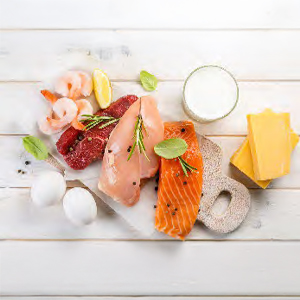
Protein Essential for tissue and cell repair, immune system, hormones, enzymes, and muscle preservation. Lean meats, skinless poultry, fish, turkey, eggs, tofu, cheese, low-fat milk, yogurt, unsalted nuts and seeds, legumes. Lean meats, fish, eggs and dairy
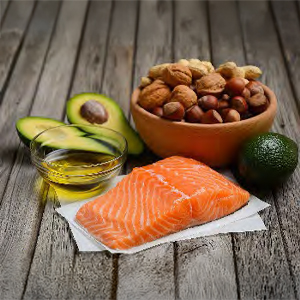
Fat Highest energy source, essential for vitamin absorption and cushioning organs. Meats with skin, butter, margarine, avocado, nuts, seeds, dairy products, oils, lard, dressings, processed products. Avocado, nuts, salmon and healthy fats

2. My Plate and Portion

Obesity and being overweight are linked to many chronic diseases, increased inflammation and added stress on the lymphatic system, which can raise the risk of getting lymphedema.

Effective weight management can be achieved through a combination of proper nutrition and regular exercise. Focus on portion control and maintaining a balanced diet to maintain a healthy weight.

Below find a portion size guide and how to build your plate according to USDA MyPlate.
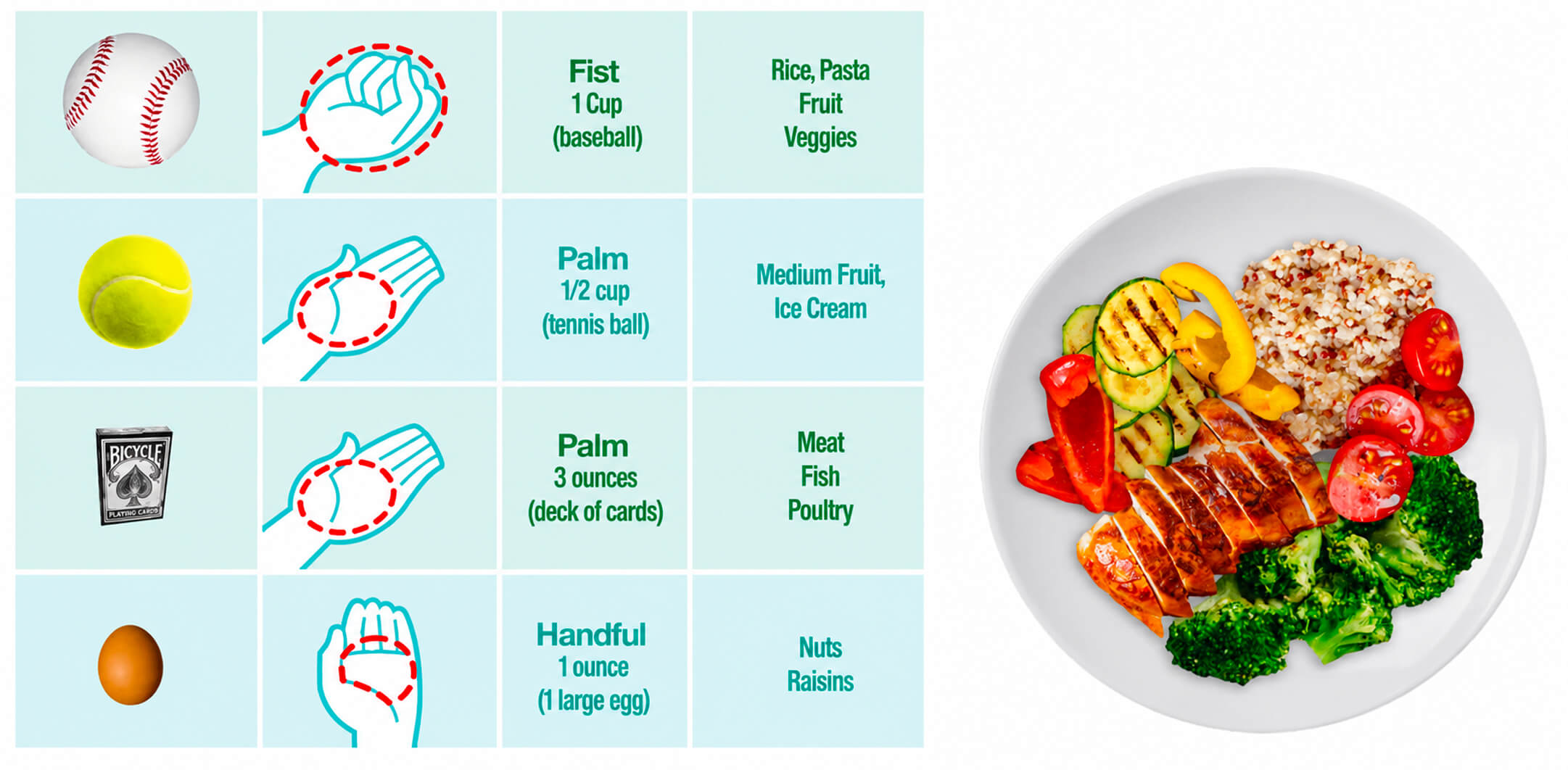
Portion size guide comparing hand measurements to food amounts: fist equals one cup, palm equals half cup or three ounces, handful equals one ounce

3. Anti-Inflammatory Approach

Inflammation can worsen lymphedema. Following an anti-inflammatory diet can help reduce swelling and improve lymphatic function.

Foods that increase inflammation:

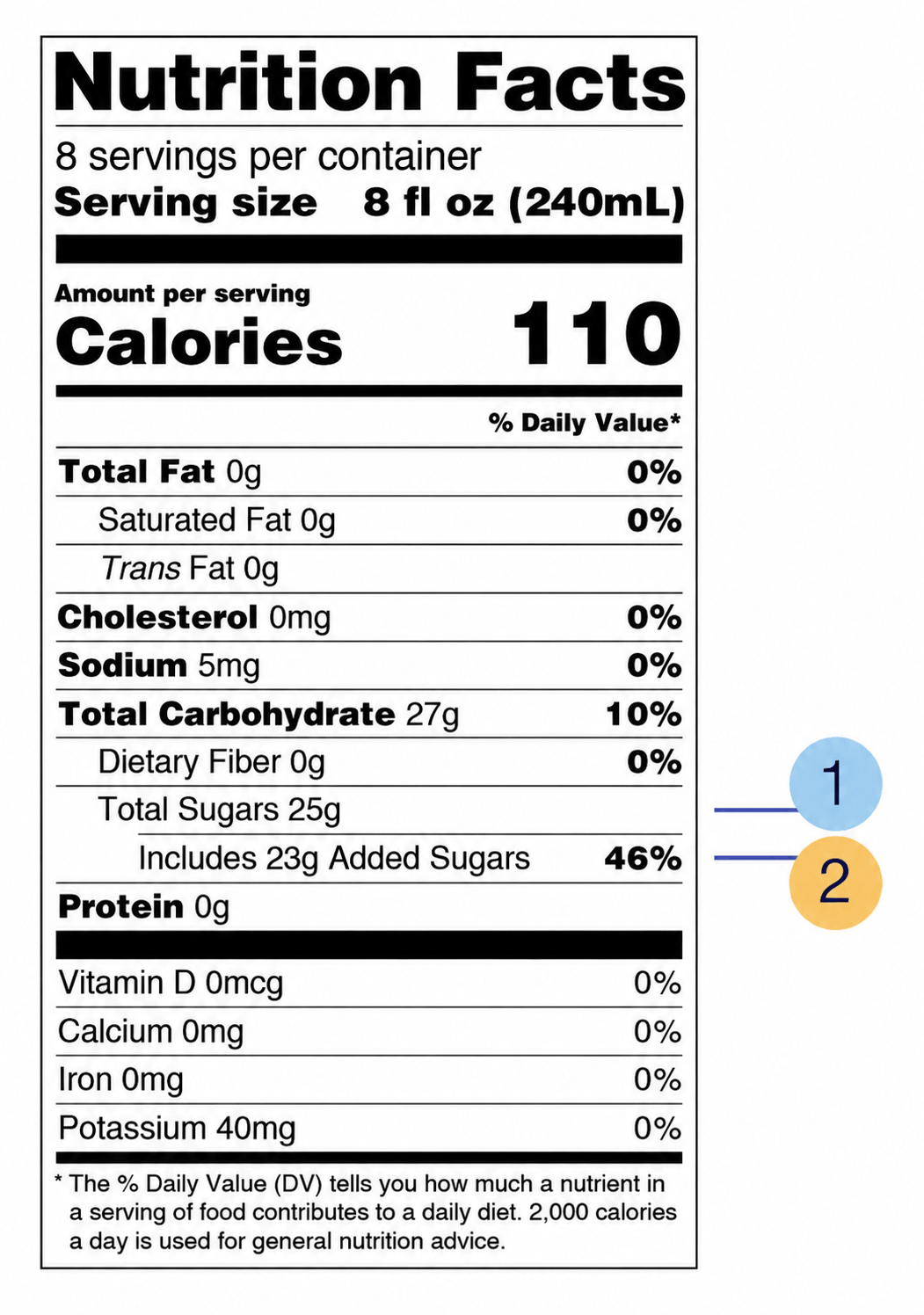
  1. Added sugars and refined grains contribute to increased inflammation and weight gain. Limiting the intake of sugary drinks, desserts, white bread, pasta and sugary cereals is recommended.
  2. Saturated and trans fats promote inflammation and hinder the lymphatic system's function. It is best to limit fried foods, fatty cuts of meat, full-fat dairy products and commercially baked goods.
  3. Ultra-processed and packaged foods contain additives, preservatives, unhealthy fats and additional salt that can worsen inflammation and fluid retention. Potato chips, muffins and donuts are examples of ultra-processed foods. It is best to opt for fresh, whole foods whenever possible, like baked potatoes with fish, mixed vegetables and whole fruit for dessert.
  4. Alcohol can have negative effects on both lymphedema and overall health. Per the American Cancer Society (ACS) and the American Institute for Cancer Research (AICR) guidelines, if possible, avoid alcohol. If not, limit to 1 drink per day for females or 2 drinks per day for males.
Nutrition facts label example highlighting total sugars and added sugars lines

You can identify added sugars in products by checking the food label on the back.

Foods that can reduce inflammation:

  1. Fresh products and whole foods, such as whole fruits and veggies and whole wheat grains (whole wheat bread, brown rice, whole wheat pasta, whole wheat crackers, oats, quinoa, barley, buckwheat, farro and millet).
  2. Increase fruit and vegetable consumption. Aim for 5-6 servings daily per American Cancer Society guidelines. These foods have phytochemicals and antioxidants that help reduce inflammation and lymphedema.
  3. Eat plenty of healthy protein foods, such as eggs, chicken, fish, lean cuts of meat or plant-based proteins such as beans, nuts, seeds, and lentils. Lean proteins have lower amounts of saturated fats, and plant-based sources have unsaturated fats, which offer protective benefits.
  4. Healthy oils and fats such as nuts, seeds, salmon, avocado and olive oil, which contain omega-3 fatty acids and anti-inflammatory properties.

4. Fluids

Proper hydration supports lymphatic fluid movement and overall health. Follow these tips to meet your hydration goals:

  • Drink sufficient fluids: Aim for approximately 64 ounces (~2 liters) daily. Water is the preferred fluid.
  • Keep fluids accessible: Place a bottle or glass in plain sight.
  • Set reminders: Use alarms or apps to track fluid intake.
  • Consume hydrating foods: Include bouillon, broth-based soups, gelatin, fruit ices, popsicles, sherbet, milkshakes and nutritional supplements.
  • Limit caffeine and alcohol: Reduce intake of caffeinated and alcoholic beverages.
  • Avoid fluid restriction: Only limit fluids if directed by your doctor.

5. Salt/Sodium

Excess salt can lead to water retention in your body. Follow these tips to manage your sodium intake:

  • Choose fresh foods: Opt for fresh or frozen fruits and vegetables without added sauces. Rinse canned items to reduce sodium.
  • Select fresh meats: Fresh meats generally contain less sodium than processed options like bacon, sausage and hot dogs.
  • Reduce salt use: Cut back on adding salt at the table and during cooking. Use lemon juice, lime juice, vinegar or fresh herbs for flavor.
  • Use sodium-free seasonings: Buy or make sodium-free seasoning blends and condiments.
  • Read labels: Choose foods with less than 140 mg of sodium per serving. Look for low-sodium options.
  • Limit dining out: Restaurant dishes often contain extra sodium. When eating out, request sauces and dressings on the side to control portions.

6. Fat

Reducing dietary fat lightens the load on your lymphatic system, which helps process fat. Eating less fat daily can also support weight loss.

There are three main types of fat:

  • Saturated fat: Found in animal foods like meat, butter, lard and cream.
  • Trans-fat: Found in baked goods, snack foods, fried foods and margarines.
  • Unsaturated fats: These have anti-inflammatory properties. They are high in omega-3 fatty acids (eicosapentaenoic acid, or EPA, and docosahexaenoic acid, or DHA) and low in saturated fat.

Food sources of healthy omega-3 fatty acids (from both plants and fish/seafood) include:

Sources of ALA (alpha-linolenic acid) from plants:
  • Ground flaxseed and flax oil
  • Pumpkin seeds and chia seeds
  • Walnuts and walnut oil
  • Soybean and canola oil

Fish and Seafood High in EPA and DHA

  • Wild caught/Alaskan salmon
  • Pacific oysters
  • Tuna
  • Trout
  • Mackerel (not King)
  • Herring
  • Sardines
  • Anchovies
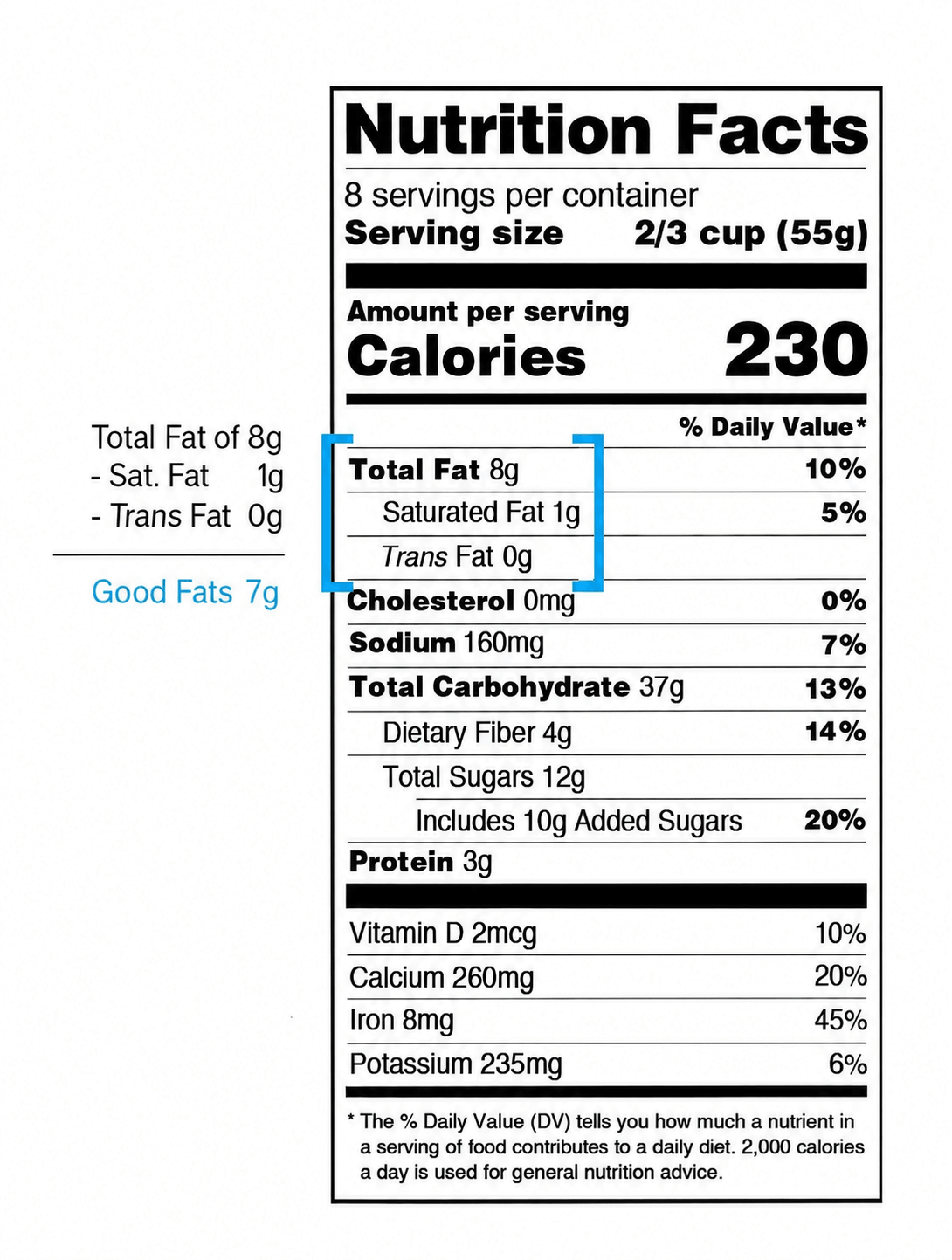
Nutrition facts label example highlighting total fat, saturated fat and trans fat lines

Tips to reduce fat:

  1. Read the fat content in labels:
    • Less than 5 grams of total fat per serving is considered "low-fat."
    • Avoid items with trans-fat and limit saturated fat.
  2. Use MCT oil as a replacement for other fats.

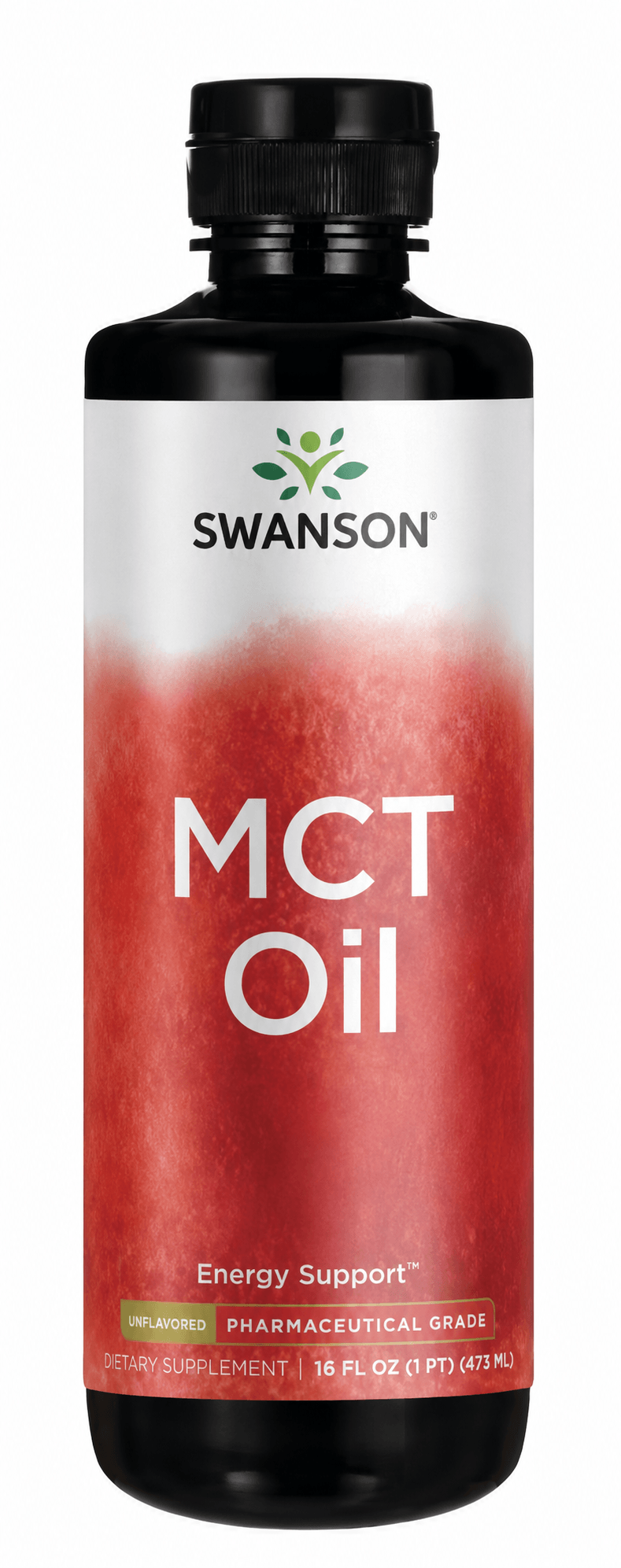
    MCT oil, or medium-chain triglyceride oil, is a fat derived from coconut or palm kernel oil. It is quickly absorbed and metabolized by the body, which can lessen the burden on the lymphatic system. Its anti-inflammatory properties may also help reduce swelling and support lymphatic health. Using MCT oil as a replacement for other fats in a low-fat diet can be beneficial for managing lymphedema.

    Bottle of MCT oil

    How to use MCT oil:

    1. Start with a small amount to minimize gastrointestinal symptoms.
    2. Limit intake to a maximum of 7 tablespoons per day.
    3. Avoid heating above 300°F (150°C).
    4. Use it for frying only at low heat.

By following these guidelines, you can better manage symptoms of lymphedema such as swelling, discomfort and fluid retention. Proper nutrition can help reduce inflammation, improve lymphatic function and enhance overall health. For personalized advice and recommendations, consult with a healthcare provider or a registered dietitian.

To consult with a dietitian, start by discussing it with your doctor. They can refer you directly for a one-on-one consultation.

Alternatively, you can contact Cancer Survivorship and Supportive Care at 305-243-4922 for assistance.

Download this handout as a PDF

References:

  1. Rock, C. L., Thomson, C., Gansler, T., Gapstur, S. M., McCullough, M. L., Patel, A. V., Andrews, K. S., Bandera, E. V., Spees, C. K., Robien, K., Hartman, S., Sullivan, K., Grant, B. L., Hamilton, K. K., Kushi, L. H., Caan, B. J., Kibbe, D., Black, J. D., Wiedt, T. L., McMahon, C., Sloan, K., Doyle, C., ... & Shih, M.-C. (2020). American Cancer Society guideline for diet and physical activity for cancer prevention. CA: A Cancer Journal for Clinicians, 70(4), 245-271. https://doi.org/10.3322/caac.21591
  2. U.S. Food and Drug Administration. How to understand and use the nutrition facts label. U.S. Food and Drug Administration. fda.gov
  3. Academy of Nutrition and Dietetics. (n.d.). Eat Right. eatright.org
  4. Shaw C, Mortimer P, Judd, PA. Randomized controlled trial comparing a low-fat diet with a weight-reduction diet in breast cancer-related lymphedema. Cancer. 2007 May 15; 109 (10): 1949-56.
  5. Gotsis E, Anagnostis P, Mariolis A, et al. Health benefits of the Mediterranean diet: an update of research over the last 5 years. Angiology. 2015 Apr;66 (4):304-18.
  6. Cavezzi, A, Urso, S, Ambrosini L, et al. Lymphedema and nutrition: A review. Veins and Lymphatics. 2019; 8:8220, 24-29.
  7. Rockson SG, Tian W, Jiang X, et al. Pilot studies demonstrate potential benefits of anti-inflammatory therapy in human lymphedema. JCI Insight. 2018 Oct 18;3(20).
  8. Shaw C, Mortimer P, Judd PA. A randomized controlled trial of weight reduction as a treatment for breast cancer-related lymphedema. Cancer. 2007 Oct 15; 110 (8): 1868-74.

logo--sylvester

NCI Designated

USNWR Cancer 2025-2026 Badge

Cancer Center of Excellence
Quick links
  • Appointments
  • Find a Doctor
  • Pay a Bill
  • Make a Gift
  • Insurance Plans Accepted
  • MyUHealthChart

Patient & Families
  • Cancer Treatments
  • Cancer Supportive Care
  • Your First Visit
  • Frequently Asked Questions
  • Nurse Navigators
  • Interpreter Services
  • Clinical Trials
  • International Patients
  • Medical Records
  • Price Transparency
  • Florida Health Finder
Research
  • Research at Sylvester
  • Research Programs
  • Research Labs & Faculty
  • Clinical Research Services
  • Shared Resources
  • Clinical Fellowship
  • Community Outreach Activity
About Sylvester
  • Why Choose Sylvester
  • NCI-Designated Cancer Center
  • Cancer Center of Excellence
  • Our History
  • Impact Reports
  • Mission, Vision & Values
  • Quality and Patient Safety
  • Leadership
  • Careers
  • Volunteers
  • For Media
  • Contact Us
  • Make a Gift

Medical Disclaimer | Terms of Use | Privacy Statement | HIPAA Notice of Privacy Practices | For Employees
© 2026 University of Miami Health System. All rights reserved.