Am I High Risk?
Call or complete our questionnaire to see if you meet the criteria to request an appointment.
Call us at
305-689-RISK (7475)
Or
Sylvester's Gastroenterology High-Risk Clinic, expanded through a generous gift from the Diamond Family Foundation, provides screening and personalized care planning for people at high risk for gastrointestinal (GI) cancers.
If you are identified as high risk, our multidisciplinary team will work with you to build a plan that focuses on prevention, risk reduction, and early detection, when cancers are more likely to be cured.
What does a GI high-risk clinic do?
A GI high-risk clinic helps people who may have an increased chance of developing cancers of the colon/rectum, stomach, pancreas, and other GI organs by providing:
- Personalized risk assessment (based on your medical and family history)
- Genetic counseling and genetic testing coordination
- High-risk cancer surveillance (earlier and/or more frequent screening, when appropriate)
- Lifestyle-focused risk reduction (nutrition, activity, weight management, and more)
- Access to clinical trials exploring new ways to prevent GI cancers
Who is this clinic for?
You may be considered high risk for GI cancer if you have:
- A GI tract cancer, especially before age 50
- A family history with multiple relatives affected by cancer, especially involving the stomach, pancreas, or colon/rectum
- A known or suspected heritable cancer syndrome, including:
- Lynch syndrome
- BRCA2, BRCA1, ATM mutations
- Disorders of multiple colon polyps
- Families with an increased burden of colorectal, pancreas, and stomach cancers
If you meet these criteria, your doctor may recommend cancer screenings at a younger age, more frequently, or both, for you and/or your family members.
Meet the GI High-Risk/Diamond Registry Team
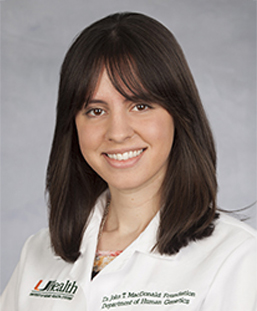
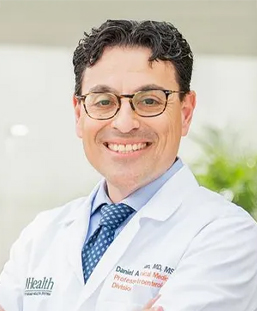
GI High-Risk Cancer Prevention & Wellness Clinic
Diamond Registry Lead Investigator
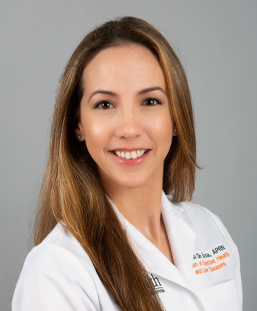
GI High-Risk Cancer Prevention & Wellness Clinic

Based on your needs, your care team may also include genetics professionals, exercise physiologists, and nutritionists.
Together, we coordinate care to help you make informed choices about your health.
Services and support for people at high risk for GI cancer
Genetic testing and counseling
Genetic testing can help determine whether you have inherited a genetic change (mutation) that increases GI cancer risk. Our genetic counselors educate you about testing, help you decide whether it is right for you, and guide you through results and next steps.
High-risk GI surveillance and endoscopic care
Your team may recommend additional testing and tailored screening plans based on your risk profile and family history.
Lifestyle Medicine
Our Health Coach will provide personalized guidance to support cancer risk reduction, including dietary strategies that emphasize whole grains, vegetables, and high-fiber foods, and reduce intake of processed foods and red meats; as well as exercise recommendations to build an activity plan that fits your health status and goals.
Acupuncture for stress and anxiety support
If you feel anxious about elevated cancer risk, acupuncture may help support mental and physical well-being, including stress and sleep.
Pharmacologic prevention
Some people may benefit from medicines such as aspirin or non-steroidal anti-inflammatory drugs (NSAIDs) as part of a risk-reduction plan. Your care team will review potential benefits, side effects, and risks.
Risk-reduction surgery referrals
For select high-risk patients, preventive surgery may be considered. We help you understand risks and benefits and support you through decision-making.
Clinical trials
You may have access to clinical trials designed to develop new methods of preventing GI cancer and improving early detection.
Lifestyle changes that may reduce cancer risk
There is no sure way to prevent cancer, but healthy behaviors can help reduce risk. In the U.S., 40% of all cancers and 45% of cancer deaths are related to modifiable risk factors such as smoking, excess body weight, alcohol consumption, physical inactivity, and poor nutrition.
A practical nutrition approach:
- Focus on a plant-based diet
- Highlight vegetables, fruits, and whole grains
- Limit or avoid red and processed meats
- Reduce added sugars
- Avoid or limit alcohol
Learn more about nutrition for cancer prevention.
What to expect at your first high-risk clinic visit
At your initial visit, your care team may:
- Review your personal medical history
- Map your family cancer history
- Identify whether a heritable syndrome may be present
- Recommend a tailored plan for:
- Genetic counseling/testing
- Screening and surveillance
- Lifestyle modifications
- Medical prevention options
- Family member risk evaluation, when appropriate
High-risk GI cancer prevention in South Florida
Daniel Sussman, M.D., co-manages the multidisciplinary Gastrointestinal Cancer Prevention Clinic in collaboration with the genetics team, including the services of a genetic counselor for patients who require a risk assessment for heritable GI tract cancers.
This shared service offers comprehensive genetic counseling as well as GI medical and endoscopic care for families with a history of cancer and is the only such service available in South Florida.
The Diamond Family Foundation gift: supporting early detection and prevention
The Diamond Family Foundation supports the expansion of the GI High-Risk Clinic through a generous gift that advances:
- Research
- Patient education
- Awareness
- Lifestyle modification programs
This support helps Sylvester expand services in a rapidly evolving field focused on early detection, prevention, and risk reduction.
Frequently Asked Questions